

Stop the Chips: Why We Preheat Glass Before Cutting
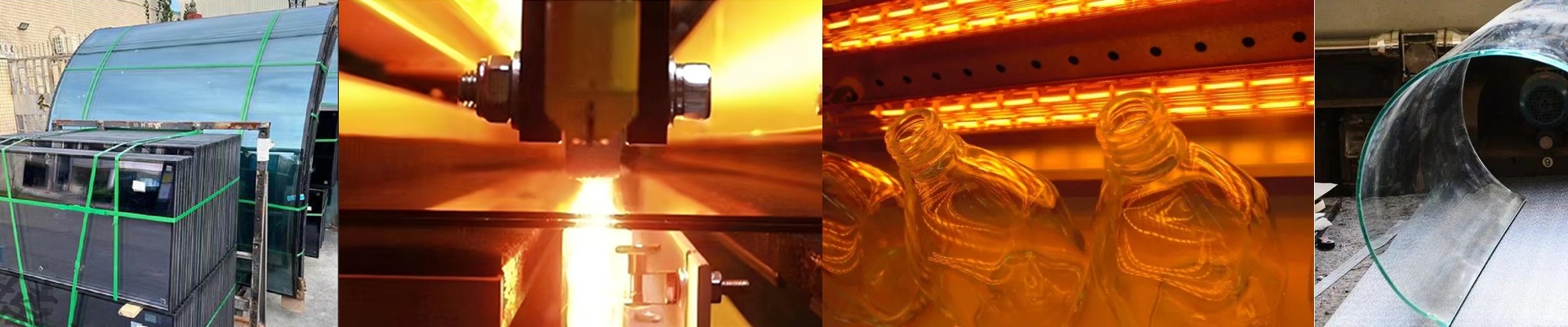
Cutting glass is basically just a fancy way of controlling how something breaks. When you run a cutting wheel across the surface, you’re creating a stress point. If that glass is cold, the break can get messy. It doesn’t always follow the line. Instead, you get those annoying little chips and shatters along the edges that make the whole piece look amateur. That’s why we use infrared (IR) annealing lamps. We heat the glass right before the cut to keep things smooth. How it actually works Think of cold glass as being “tense.” When you score it, the energy release is violent. It’s a snap. By hitting the surface with short-wave infrared radiation, we warm it up. This relaxes the material and smooths out that internal tension. The result? A much cleaner break. The crack actually listens to the score line. You end up with a smooth edge, which means you spend way less time grinding the glass down later. It just saves a massive headache. Getting the setup right We usually go with high-wattage quartz halogen lamps. Why? Because they pack a punch. If you’ve got a conveyor line moving fast, you don’t have time to wait for the whole slab of glass to warm up. You need to dump heat into the surface now. But you have to be careful with the spacing. If the lamp is too close, you’ll shock the glass and it might crack. Too far, and you’re just wasting electricity because the surface isn’t getting warm enough to actually help. It’s a bit of a balancing act. The messy side of the factory floor Here’s the thing: these lamps get incredibly hot. Not just the glass, but the air around them. If you cram these lamps too close together in a cutting head, you’re asking for trouble. You’ll melt your wiring or warp your brackets. It’s a nightmare to fix. You’ve got to be aggressive with your cooling fans and heat sinks. If you don’t manage that waste heat, the lamps will drift, start acting up, and burn out way sooner than they should.