
Getting Your Low-E Glass Heating Right (Even When It’s Huge)
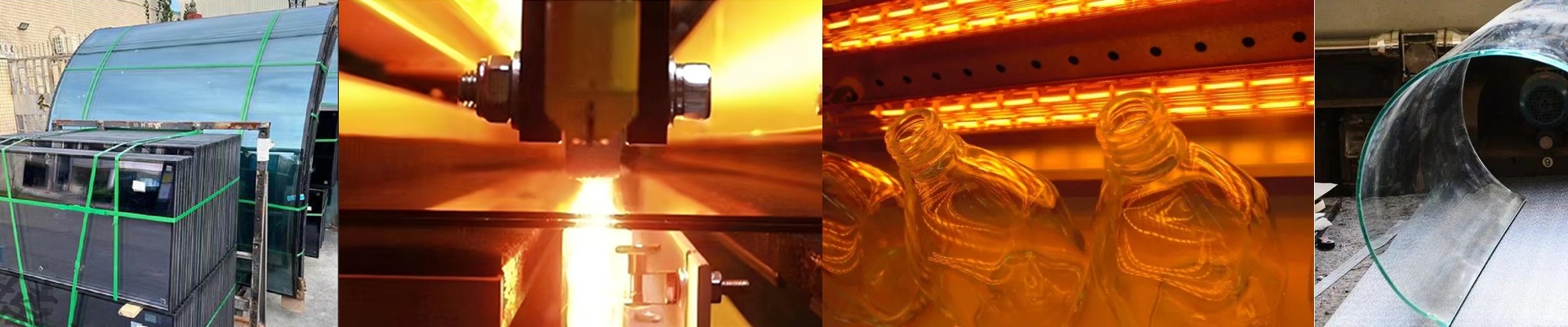
If you’re working with wide-format Low-E glass, you know the struggle. You need a perfectly consistent heat profile across the entire sheet. But once your baking tunnel hits that 3-meter mark, the standard lamps you find in a catalog just stop working. They aren’t built for that kind of scale. That’s where we come in. We build custom infrared heating units specifically for those oversized footprints.
The “Cold Ends” Problem
Here is the thing about lamps over 3 meters: voltage drop is a nightmare. If you just stretch out a standard filament, the center gets scorching hot while the ends stay lukewarm. In the glass world, that means an uneven coating and a lot of wasted product. We fix this by obsessing over the wire gauge and tungsten density. We calculate everything down to the centimeter so the watt-density stays flat across the whole length. Depending on what your plant is running, we can set these up for 220V or 380V. Personally, I recommend the higher voltage if you can—it keeps the current lower, which means your wiring and connectors don’t have to fight nearly as much heat.
Why We Use Fused Quartz
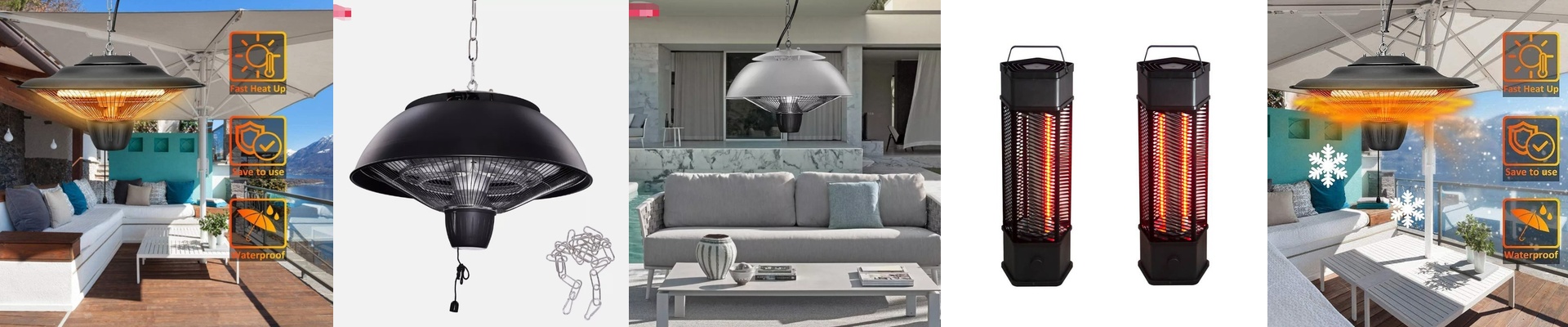
We stick with high-purity fused quartz for the tubes. Why? Because it doesn’t freak out when the temperature swings. It handles rapid cycling without cracking, which is exactly what you need for Low-E preheating. We usually go with short-wave or medium-wave emitters. You want the heat to punch straight into the glass surface, not just warm up the air inside the oven. If you need a specific emission spectrum, we can do clear tubes or add custom coatings to get the heat exactly where it needs to be.
Making It Work in Your Shop
We don’t believe in making you rebuild your whole line. We build these as drop-in replacements for your current racks. You send us your drawings, and we handle the rest—whether that means extra-long lead wires or reinforced end-caps that can actually take a beating. But a quick heads-up: when you’re pushing that much power into a 3-meter tube, the terminals get hot. Really hot. Double-check your venting. If your cooling fans are too small, you’ll fry your connectors long before the filament ever gives out. It’s a simple fix, but it saves a lot of headaches down the road.