

Getting the Ink Right Without Breaking the Glass
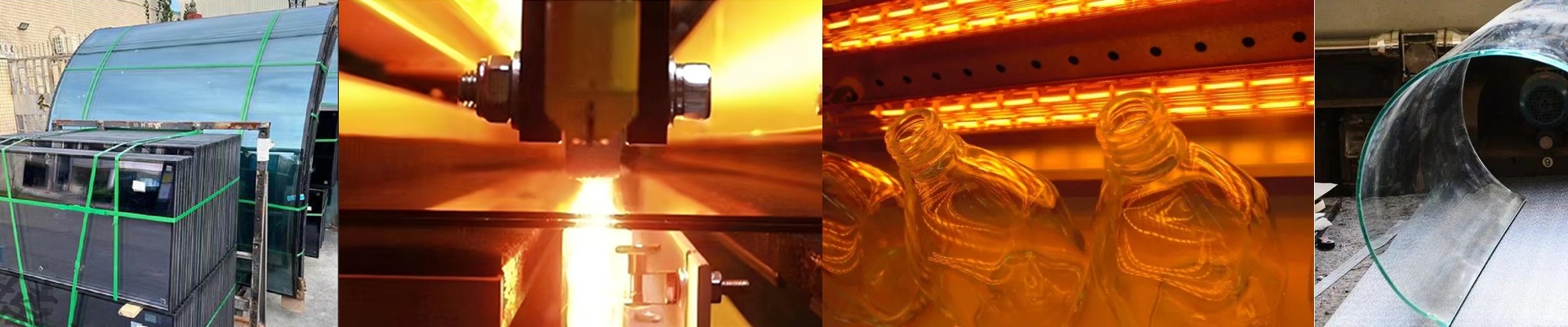
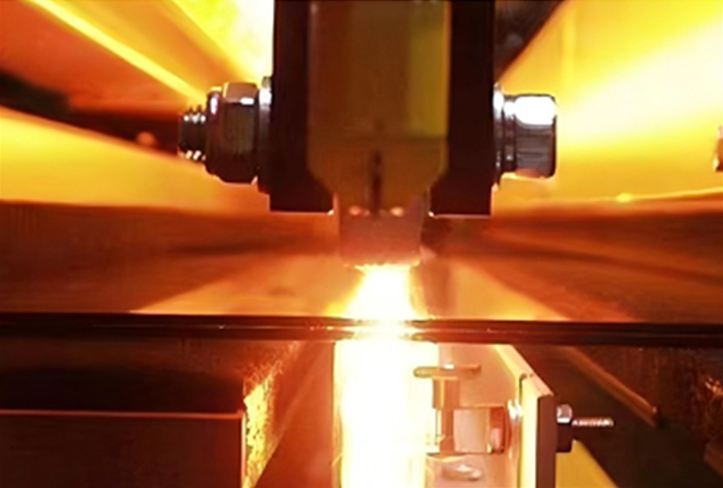
When you’re trying to silk-screen and temper glass in one go, you’re basically playing a game of heat management. You need enough heat to bake the ink into the surface, but if you push it too far? Your crisp lines start to blur and bleed. It’s a tight window. To get this right, we rely on shortwave infrared lamps. Here’s the thing about “heat soak.” If your energy is too spread out, the glass takes forever to get up to temperature, and your ink can actually start to degrade. That’s why we use lamps with high wattage density. They hit the surface fast and hard, locking that pattern in place before the glass even hits the main tempering zone. Because it’s shortwave radiation, it doesn’t just soak into the glass—it targets the ink layer specifically. It’s a much cleaner process. Now, you can’t just use any old bulb for this. We use high-purity quartz tubes. Why? Because industrial ovens are brutal. They cycle through extreme temperatures constantly, and regular glass would just crack under the pressure. We also reinforce the electrodes, otherwise, those filaments would burn out the second you hit a power spike. But there is a catch. These high-intensity lamps are power-hungry. You can’t just toss them into an old oven and hope for the best. Your transformers and wiring have to be able to handle the current draw, or you’re asking for trouble. And don’t forget the cooling fans. If your housings aren’t getting enough airflow, your connectors will fry. When everything is tuned just right, it’s a beautiful thing. Your lines stay sharp, your glass stays strong, and you aren’t spending your day fighting smudges. It all comes down to how you handle the heat.