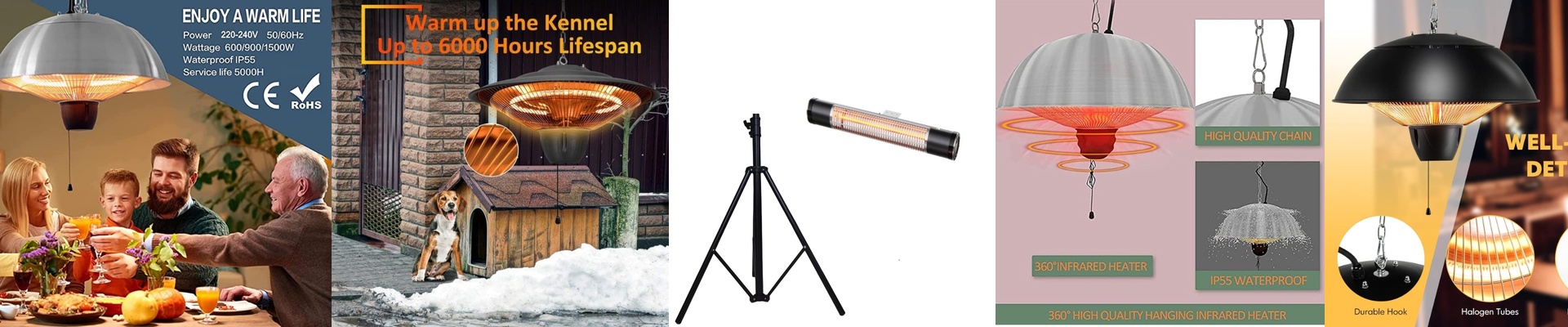

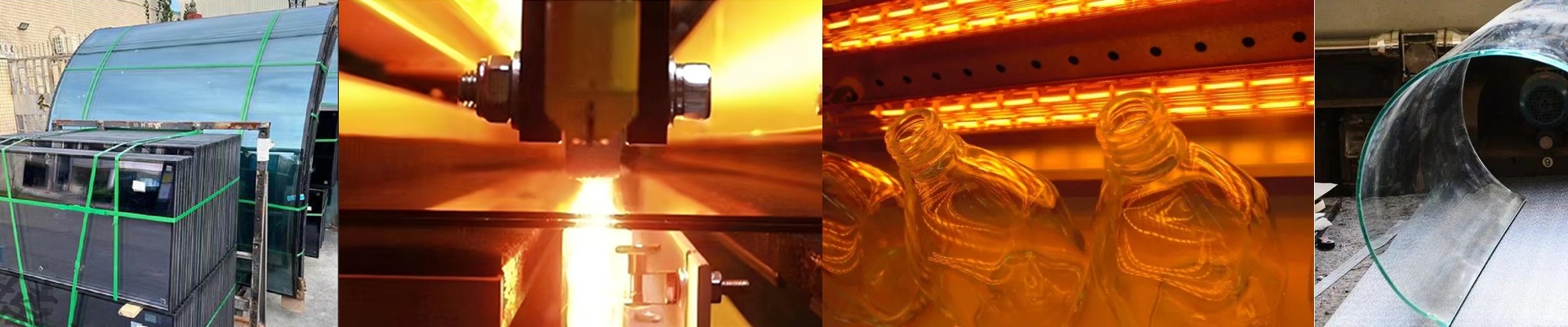


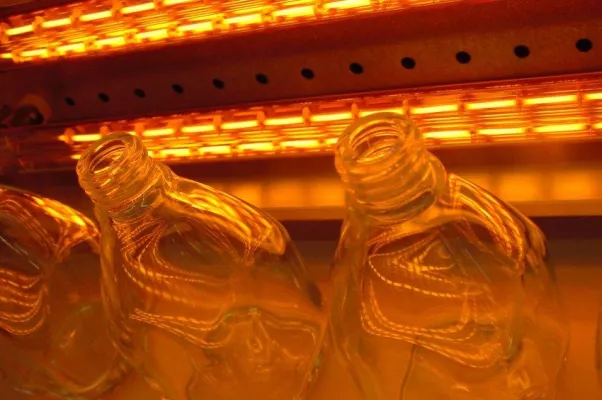
Out on the line, one hot zone going south shuts everything down. Expensive glass turns to scrap before it even hits inspection. That’s the headache we build against. Our sapphire glass processing heaters keep furnaces, bending stations, and lamination presses running with steady heat that doesn’t eat into yield. What actually matters on the technical side We pair a high-emissivity sapphire heating element with a quartz or short-wave infrared (NIR) emitter package. The result is fast response and tight control over each zone. Output is matched to your process window—typically 3–12 kW per zone—with voltage options from 240 V to 480 V. The element geometry is shaped to give uniform radiant flux, so you don’t get hot spots that drive thermal stress and breakage during tempering, bending, and coating drying. The heater body is compact, so it drops straight in for a replacement with minimal rework. Glass work is a chain of thermal steps—bending, tempering, EVA/SGP/PVB lamination, coating curing, and insulating glass sealing. Every stage has to hit a repeatable temperature profile. With these sapphire heaters, the thermal field stays stable, so the glass sees consistent soak conditions. That means fewer optical defects, less scrap, and cycle times you can plan around. Energy draw is tuned for industrial duty cycles, so operating costs stay in line even on 24/7 lines. Here are a few shop-floor details worth remembering. These heaters are tough, but they need proper thermal anchoring and clean mounting surfaces to avoid localized losses. Before installation, double-check your machine’s mounting footprint and how you’ll route the leads, and make sure your control system can handle the ramp rates the heater is capable of. Set it up right, and the heater will run through thousands of thermal cycles, keeping your process in spec and uptime where you need it.