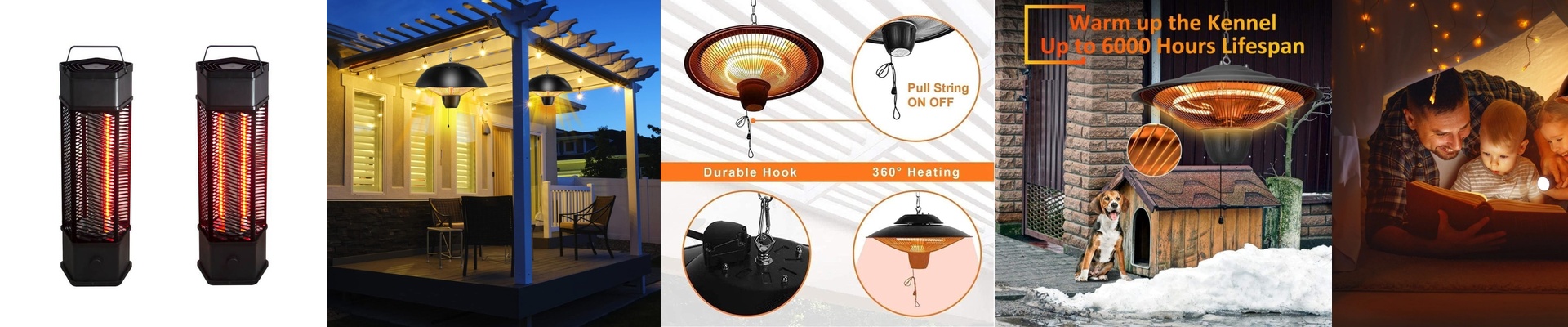
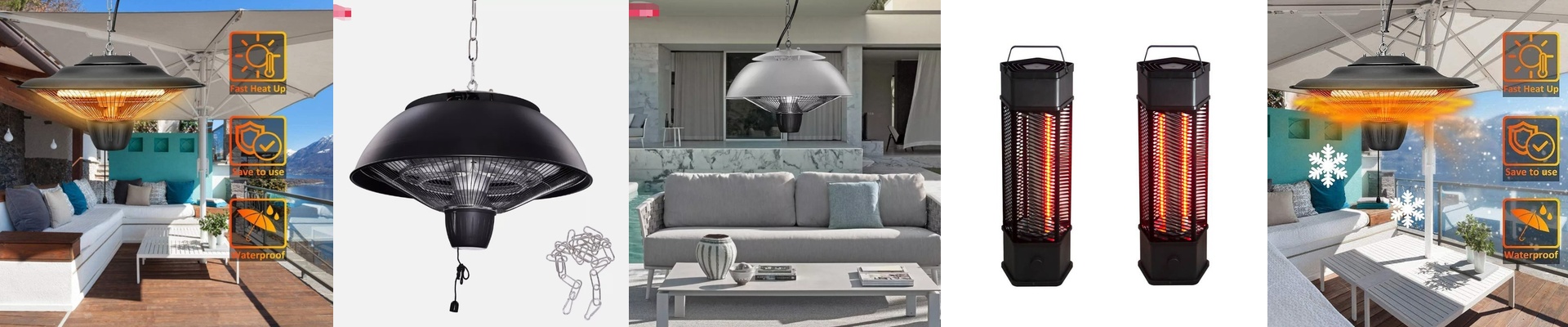
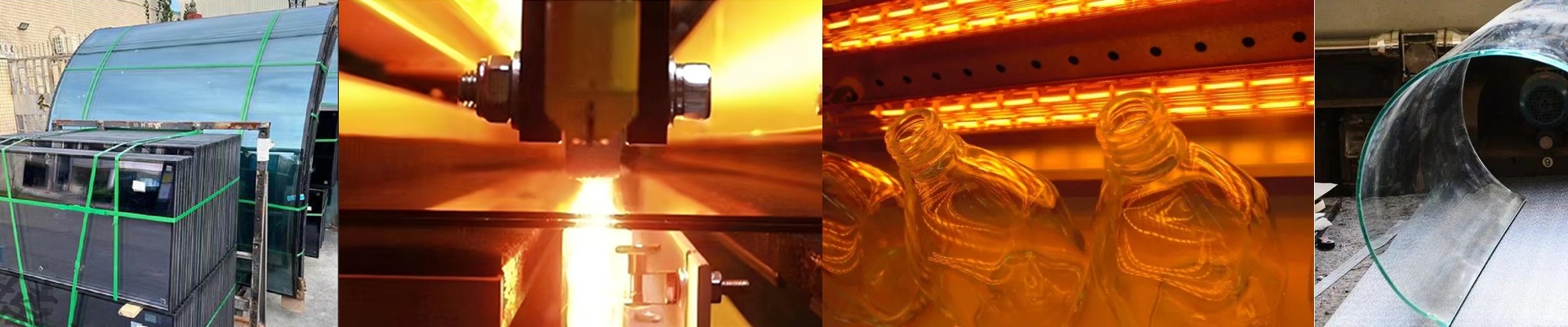
When evening drops in, that sudden chill doesn’t just steal comfort—it tightens joints and makes the heart work harder. For older adults especially, the cold shock isn’t a minor inconvenience. It can turn the simple pleasure of staying outside into a real health concern. Traditional hot-air patio heaters throw warmth upward that quickly disperses, so you end up with air that feels hot while your body still feels cold. Infrared garden heaters take another route. They deliver radiant warmth that feels like standing in a patch of late-afternoon sun.
What matters under the hood
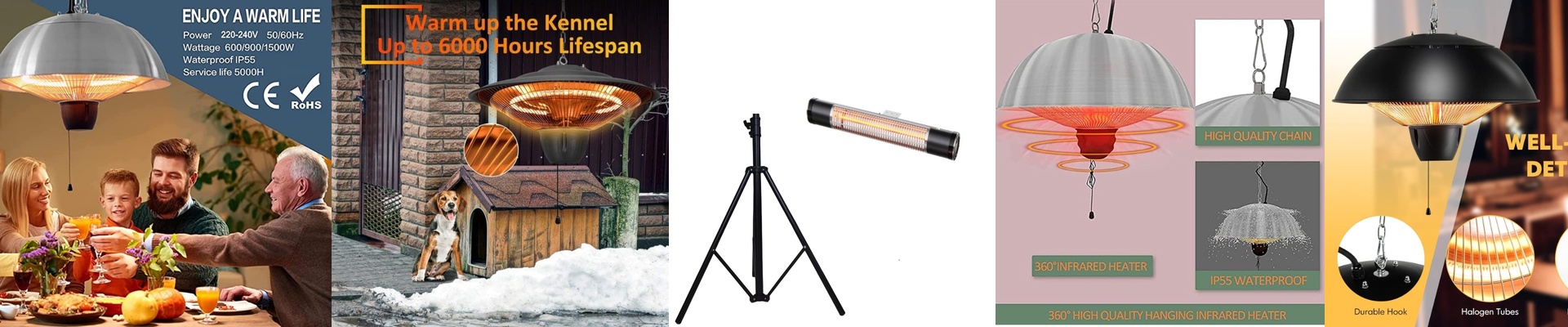
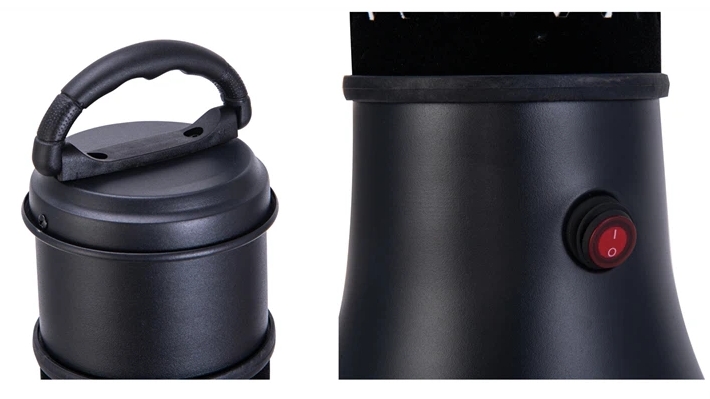
Infrared garden heaters use a carbon fiber or quartz element to emit long-wave infrared radiation. They warm people and solid surfaces directly, not the air around them. The result is a soft, even warmth that penetrates clothing and skin, helping relax muscles and support circulation. Most models run on standard 230 V circuits, pulling between 1.5 kW and 2.5 kW, and they’re housed in weather-resistant enclosures rated IP34 or higher. A built-in thermostat keeps output steady, while tip-over protection and thermal cut-offs add practical safety.
Why this approach fits the moment
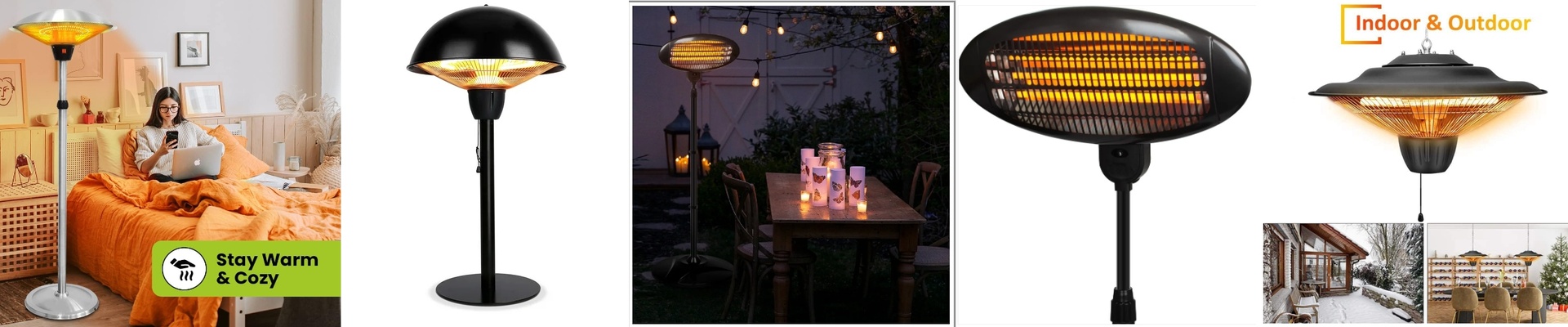
For seniors, that difference is meaningful. Infrared warmth hits the body first, so the cardiovascular system isn’t jolted by rapid temperature swings. Blood flow improves gently, joints loosen up, and breathing stays easier because the air isn’t being overheated or dried out. On the patio, it means conversations last longer, meals stay relaxed, and evenings remain social instead of getting cut short by discomfort. The comfort is personal—right where you need it—without the noise and draft you get from forced-air units.
What you need to get right
Infrared garden heaters perform best when mounted 1.5–2.5 m above seating areas, angled to cover people rather than trying to heat the whole space. They warm what they “see,” so wind doesn’t strip the heat the way it does with convection heaters. That said, they don’t heat air, so very open, drafty spots can still feel cooler. Installation is straightforward—hardwired or plugged into a protected outdoor outlet—but positioning is the key. Plan your clearances, and make sure the mounting surface is solid and level.