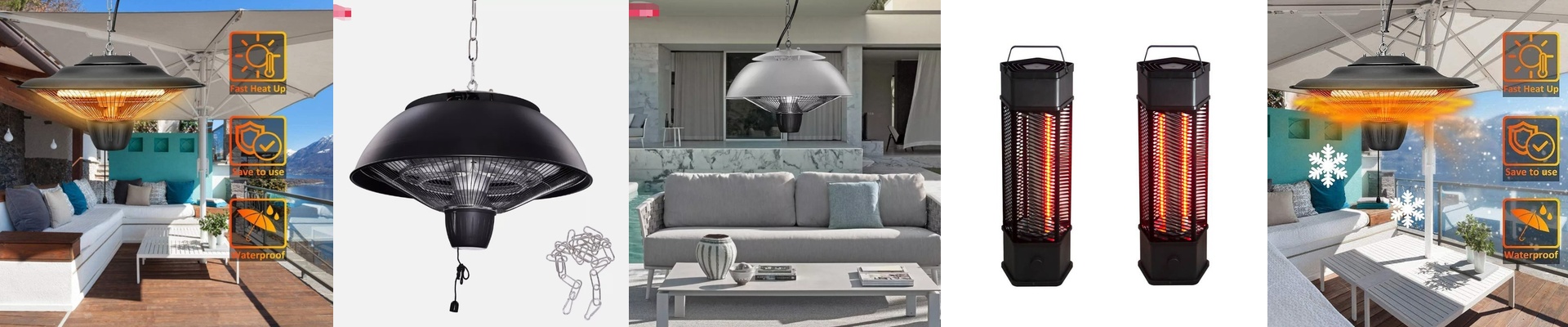
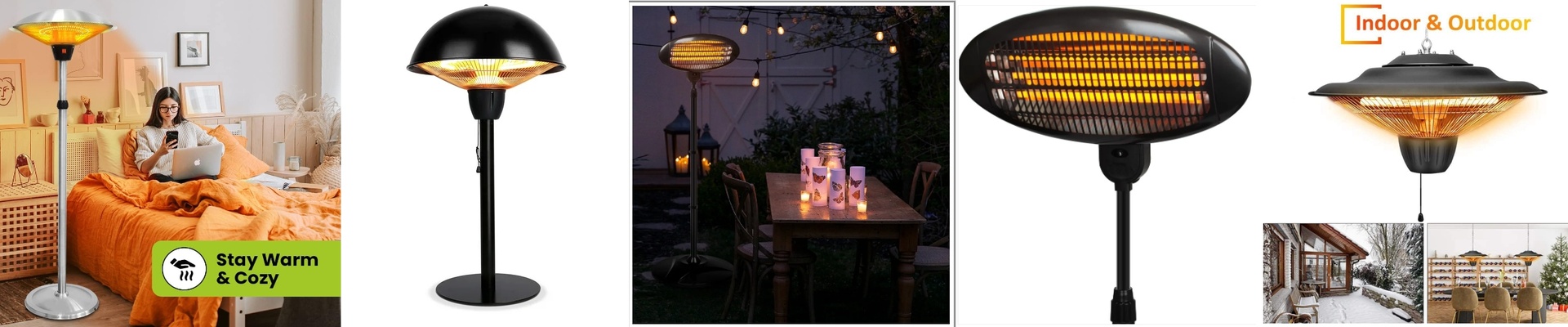
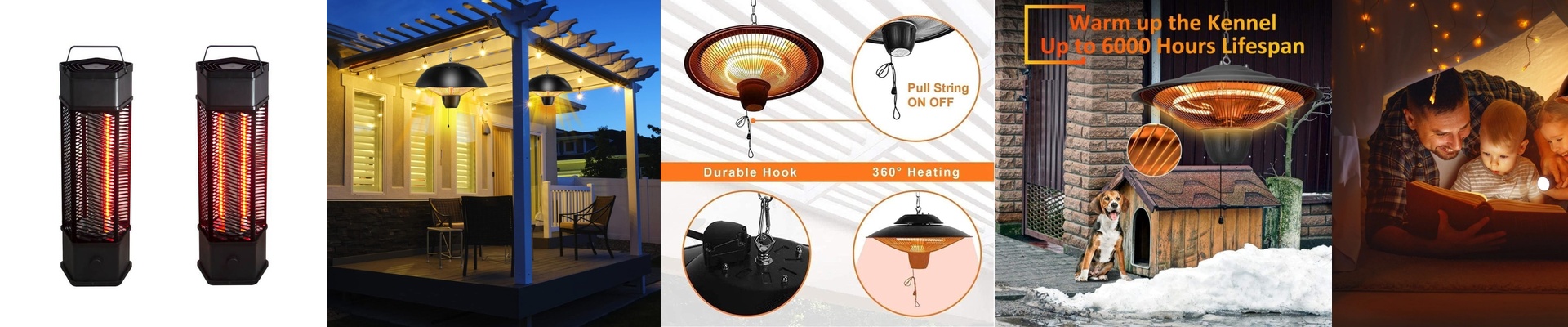
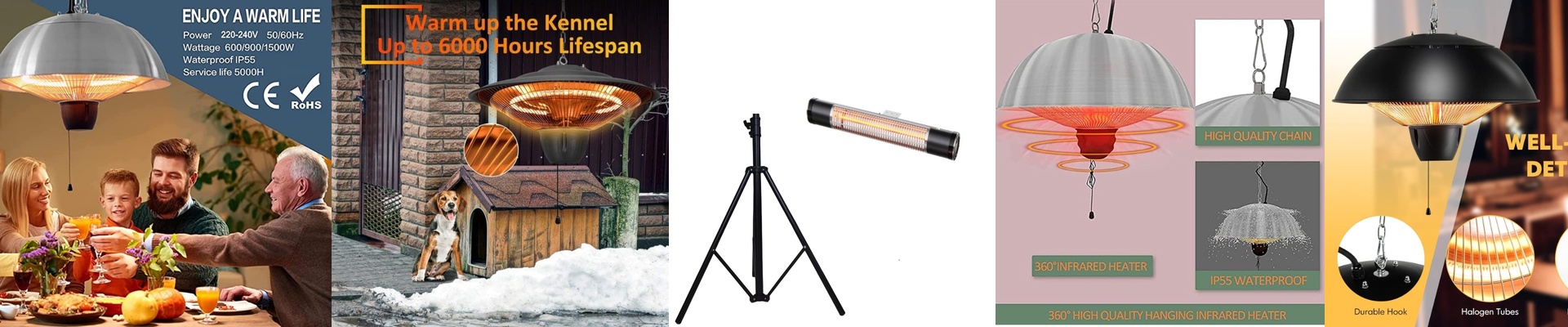
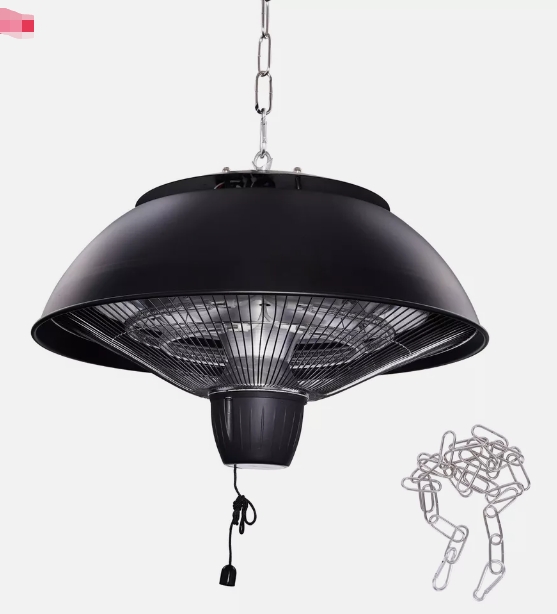
Winter hits, and the problem isn’t just cold air. It’s the wait—standing around while heat takes its sweet time. With infrared space heaters, comfort lands fast. The warmth comes as radiant heat, not as a slow-moving curtain of hot air. In homes, workshops, and outdoor living spots, you feel the difference the second you flip the switch.
What matters, technically
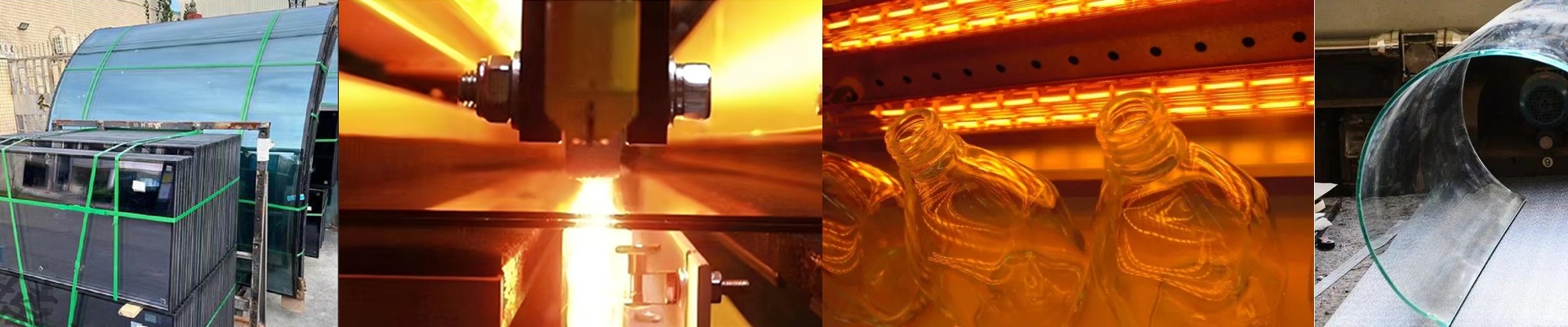
Infrared heating is all about conversion: turning electricity into usable warmth with as little waste as possible. In our latest designs, we push the thermal conversion rate to 99.8%, using high-quality quartz tubes and element geometry that’s been dialed in. The result is direct radiant heat that travels outward at the speed of light, warming people and surfaces first, instead of trying to heat the whole volume of air. That focus keeps energy going where you need it, with quick response and output you can count on. These heaters run quiet—no fan noise—and the heat profile stays steady, so you’re not constantly chasing the thermostat to feel comfortable.
Why it works in the real world
That high conversion rate turns into comfort you can feel and control. Indoors, you get immediate warmth that helps with circulation and loosens tight muscles, especially on cold mornings or when evening temps drop. Outdoors, infrared warmth makes patios and seating areas usable even when the air turns sharp, because the radiant heat hits bodies and furniture directly. You also notice it at the meter. Since the system doesn’t waste effort heating air that just leaks away, it can be more economical than convection heating in drafty rooms or open-air setups. For homeowners and hosts, it’s simply more livable: steady warmth without the wait, and less fuss when the temperature dips.
The practical details
Radiant infrared heaters are easy to integrate, but placement matters. Keep clearances to combustible materials as required, and for outdoor use, choose an IP rating suited to exposure so the unit holds up in damp conditions. Most models run on standard household circuits, but for larger heaters, a dedicated outlet is the safer call. One trade-off: radiant heat warms what it strikes, so you can get a mild cool zone between the heater and the far side of a very large room. Position it to cover your main seating area, and you’ll get the full benefit of that 99.8% conversion—instant, targeted comfort.