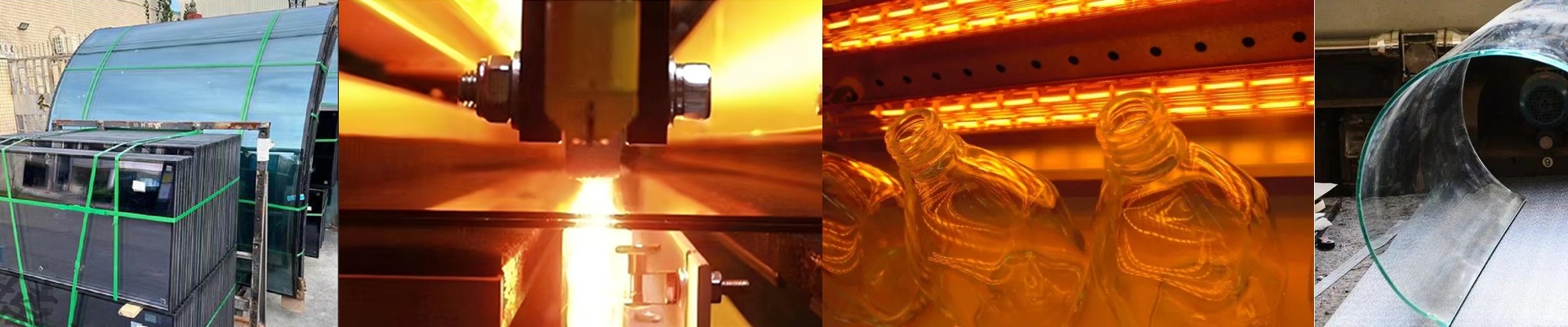



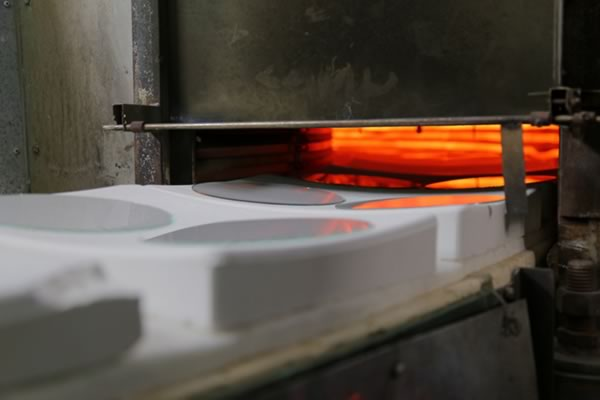
On the production floor, a tempering line can’t run on guesswork. When a batch fails the impact test, the problem is often hidden thermal stress—uneven heating that leaves the glass brittle or under-stressed. We built this testing heater to catch those weak spots before they leave the plant, not after. What matters under the hood The unit runs on short-wave quartz emitters, delivering fast, direct-radiant heat with tight spectral control. You can hit target temperatures up to 700°C in seconds, and hold ±3°C uniformity across the test zone. A calibrated thermocouple array feeds real-time profile data, so you can tie heating history directly to compressive strength and fragmentation behavior. Power density is tuned for glass: enough to build surface compression quickly, without overshooting the glass transition point. It runs on 400V three-phase, draws 12 kW at full load, fits standard fixture footprints, and uses industrial connectors. In tempering, timing is everything. Fast, repeatable heating shortens the test cycle and tightens the process window. Each coupon gives you a clean pass/fail, which cuts scrap and rework. Energy use drops because the emitters put the heat where it needs to be—on the glass—so you waste less heat in the work area. Maintenance stays manageable, too. The modular emitter assembly swaps out in minutes, and solid-state control means less contactor wear. Fewer unplanned stops, more consistent strength, and a line that ships on spec. A few practical notes Installation needs a dedicated supply and proper shielding. The short-wave output is bright, so interlocks and protective eyewear are mandatory. The heater plays well with most fixtures, but ovens with heavy shielding or uneven airflow may need a small repositioning to keep the stated uniformity. Plan your test points early in the line. That way, you catch thermal drift before it turns into yield loss.