

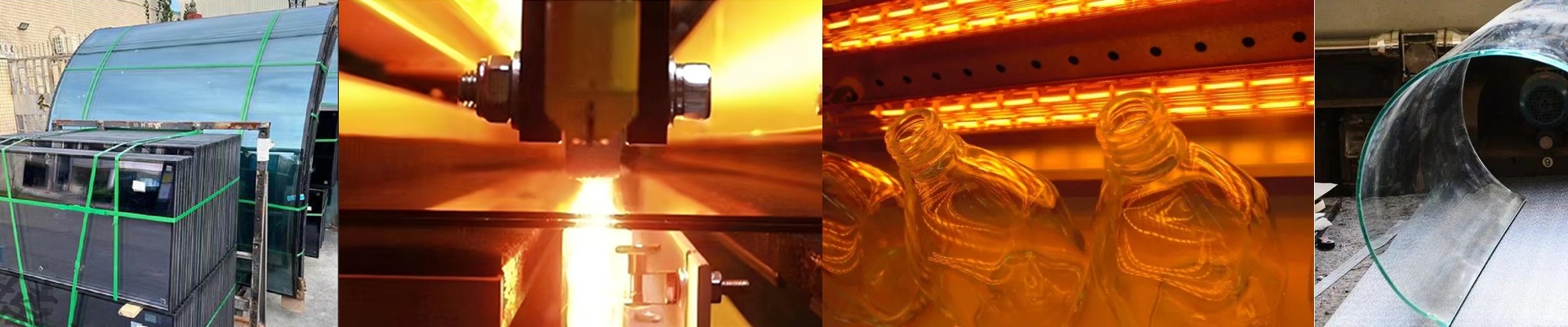

The shop floor doesn’t cut you any slack when the heat is weak. On a tempering line, a bending furnace, or a lamination press, uneven temperature equals scrap—hairline stress cracks that show up hours later, optical distortion that fails inspection, and cycle delays that stack up fast. When the heating panel can’t pull its weight, the whole line pays for it in rework, downtime, and wasted energy. We built the glass workshop heating panel to earn its keep on the line, not on a spec sheet. It’s engineered for glass processing where thermal uniformity, repeatability, and uptime are the only numbers that matter.
What matters under the hood
At the core is a quartz-based heating system, chosen because it responds quickly and holds steady in the punishing temperature window typical of glass forming and tempering. Quartz elements deliver high emissivity and predictable heat transfer, which cuts down the variability that makes glass heat unevenly. The panel is modular, sized to fit standard glass processing equipment footprints. It comes in common industrial voltage configurations, so you can drop it into existing electrical layouts without rewiring the whole station. Connections use industrial-grade terminals and compatible interfaces that can take heat cycling, vibration, and routine maintenance. Heating power is matched to the process demand—whether you’re heating for bending, tempering, or preheating for lamination. The design keeps the thermal field uniform across the active area, so you stop chasing hot spots and cold edges. Control is straightforward: it plays with existing instrumentation and pairs cleanly with standard temperature controllers to hold setpoint repeatability. Materials are chosen for the glass environment. High-temperature insulation and a tough housing cut heat loss and protect nearby components. The assembly is built to be handled, installed, and replaced without a rework—no custom brackets, no field mods.
Why this matters in glass
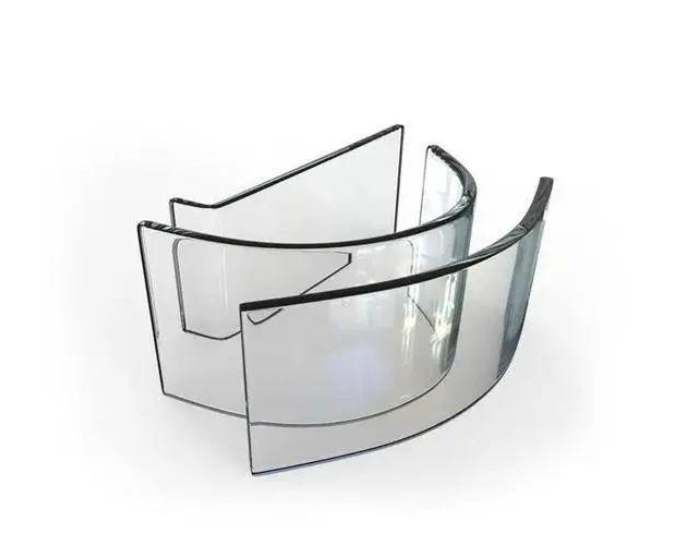
In glass processing, heat isn’t just a parameter—it is the process. On the tempering line, the heating step has to be repeatable. If the panel can’t hold a stable, even temperature, the glass hits the quench with uneven thermal stress, and you get breakage or inconsistent surface compression. The panel’s uniform heating profile keeps tempering results consistent, which means less scrap and a line that keeps moving. In bending, the glass has to reach a controlled forming temperature without the edges lagging. Slow or uneven heating drives shape drift and optical defects that show up in the final product. The panel’s fast response and even thermal field help you hit the bend geometry with fewer rejects. For lamination, preheating is about cycle time and bond quality. If the heating module is sluggish, the press waits, and throughput drops. If the temperature is uneven, you risk voids and weak edges. The panel brings the glass up to temperature quickly and evenly, so the press runs at its intended cadence with consistent adhesion. In insulating glass sealing, the goal is uniform heat to support a repeatable seal without overheating the spacer or hurting the desiccant. The panel delivers predictable heat input that helps stabilize the sealing cycle and reduce variability. Energy use is real on a production floor. The panel’s construction cuts wasted heat, and the fast ramp-up shortens the heating window. That translates into lower kWh per cycle, especially on lines that run long shifts. Drop-in replacement matters, too. When an OEM heating module fails, you can’t afford long lead times and a redesign. This panel is production-ready and installs without re-engineering the machine.
What you need to know
The panel is designed for industrial glass equipment, but real plants have real constraints. Mounting and clearance matter. Install it with the required air gap and alignment so it doesn’t contact moving parts, and keep airflow paths intact. If the installation site has restricted airflow or poor access for inspection, thermal performance and service life will take a hit. Power and control compatibility have to be confirmed. Share your machine voltage, controller type, and connector expectations up front. The panel can be configured for standard industrial setups, but mismatched control wiring or undersized supply circuits will cause instability. Thermal cycling is part of glass work. The panel is built to handle repeated heat-up and cool-down, but like any heating system, it performs best when the process is stable. Use controlled ramp rates where the process allows to avoid extreme thermal shock. Maintenance is simple, but it’s not optional. Keep the heating face clean, clear out dust and debris, and inspect electrical connections on schedule. Running with a blocked or contaminated surface creates uneven heating and shortens service life. If you’re replacing an existing module, check the mounting pattern and dimensions before ordering. A panel that fits electrically but doesn’t match the mounting envelope will still cost you downtime during installation. We run these panels in real glass plants—on tempering, bending, and lamination lines—where uptime and yield are the only measures that count. If your heating module is driving variability, if your cycles are too long, or if you’re spending too much on energy and replacement parts, a glass workshop heating panel is a practical, production-focused upgrade.