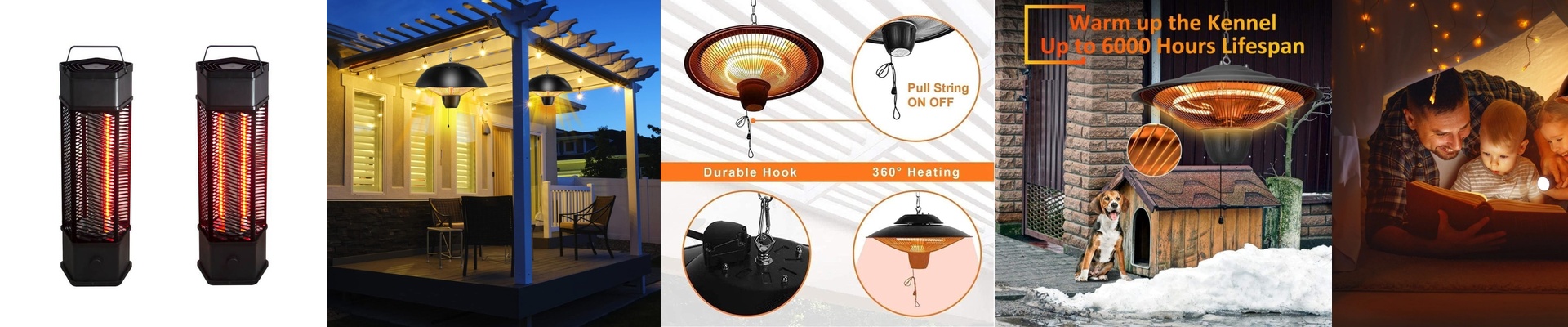
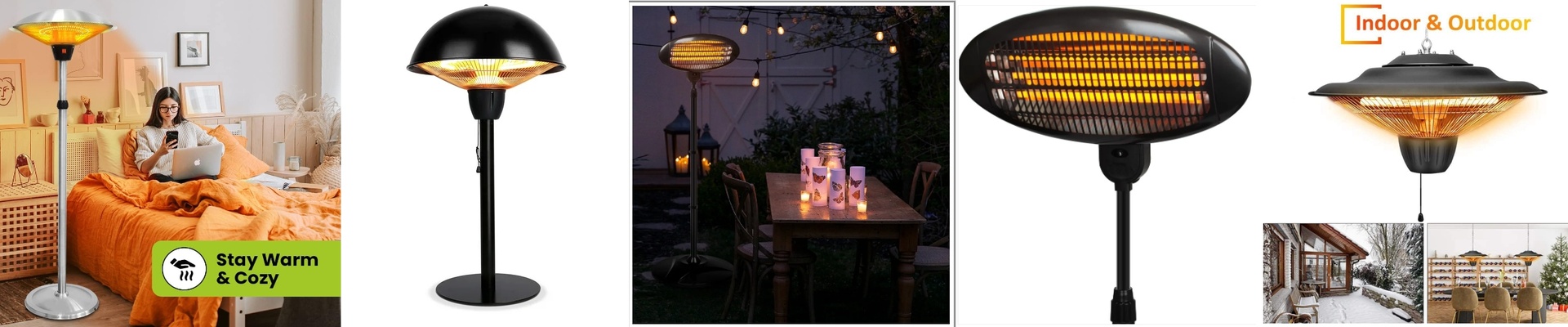
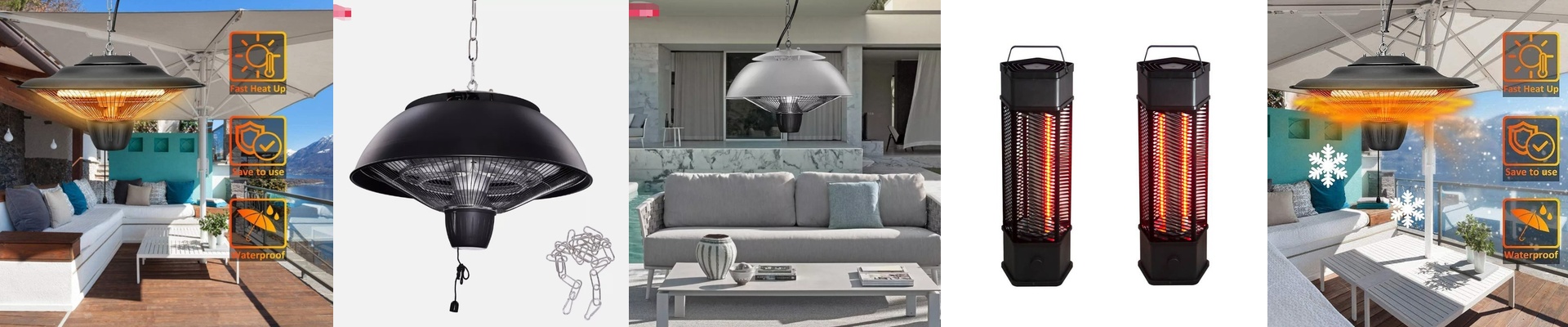

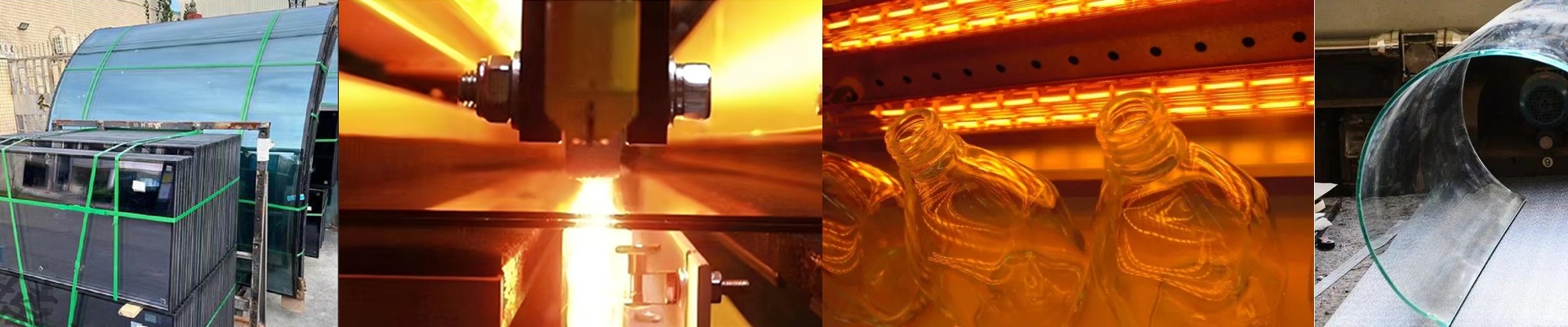
When winter shows up, you feel it right away—fingertips that sting, toes that go numb. A standard room heater pushes warm air around, but air heats slowly and slips away just as fast. Radiant infrared heat goes straight to the source—your body—so comfort lands where you actually feel it.
What matters under the hood
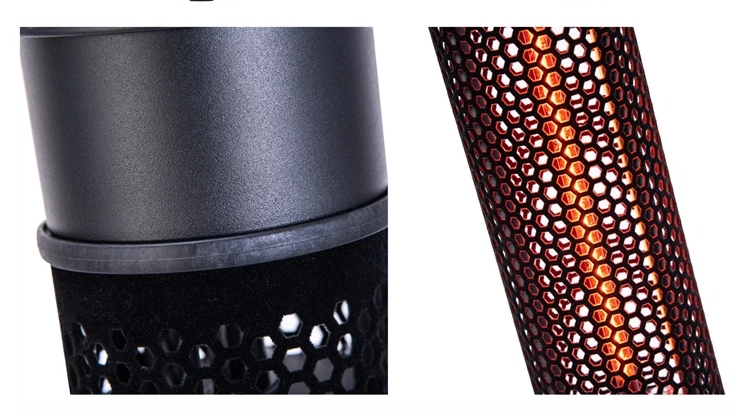
We built this programmable electric heater around a carbon fiber infrared element. It’s the kind of choice you make when you want steady, even radiant output and a long service life. The warmth comes on as directional infrared, more like standing in a patch of sun than like a forced-air blast. Pair that with a programmable thermostat, and you can set a target temperature and let the unit hold it—no more chasing ups and downs. For safety, it includes tip-over protection and automatic shut-off if internal temps climb. The footprint is compact, and the standard outlet plug means you can set it where you actually sit—indoors or on a protected patio.
Why this approach hits the spot
Cold hands and feet are often about microcirculation. When blood flow to the extremities drops, warmth disappears fast. Infrared warmth penetrates superficial tissue, helping muscles relax and supporting better circulation. The payoff is a gradual, soothing heat that starts in the hands and feet and spreads comfortably through the body. Because the heat is radiant, you feel it the moment it arrives. And because the heater is programmable, you can preheat a space or keep a steady level without overheating. If you deal with persistently cold extremities, this turns waiting for warmth into relief you can count on.
The practical details that make it work
Infrared heat works best in line-of-sight. Walls and furniture don’t block it the way they trap warm air, so aim the heater directly at the seating area. In drafty rooms or fully exposed outdoor spots, you may need to run it a bit higher or add a second unit. And here’s the part that trips some people up: infrared is efficient at warming people and objects, but it doesn’t heat the air as quickly as forced-air systems. In very large, open spaces, plan for a slightly longer warm-up.