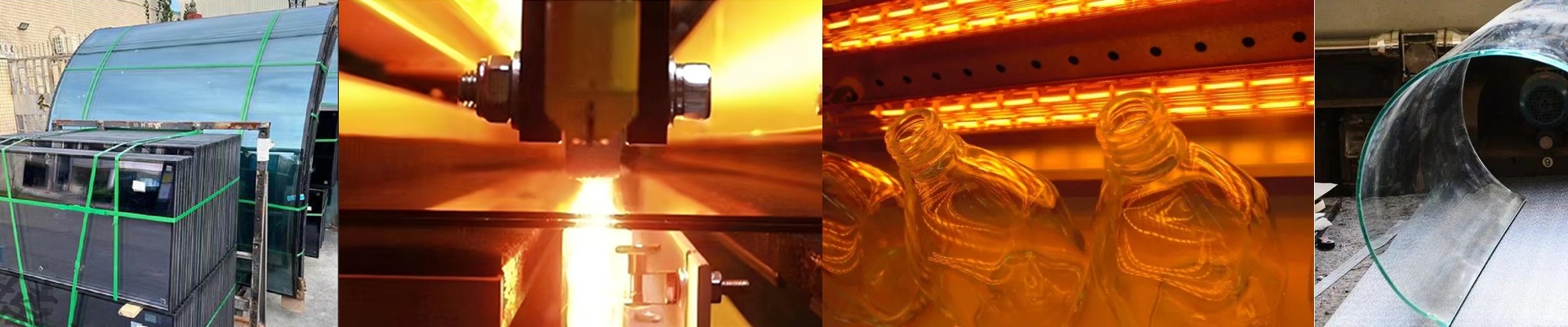
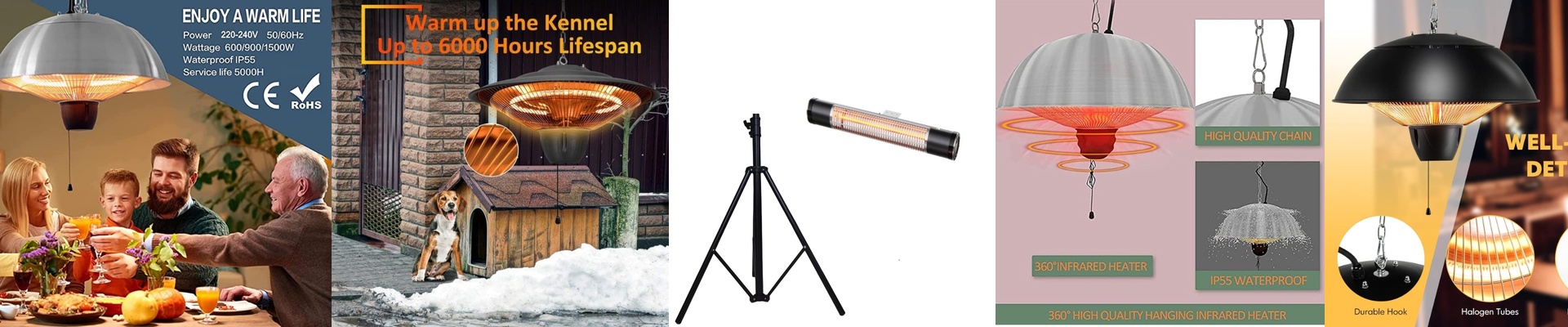
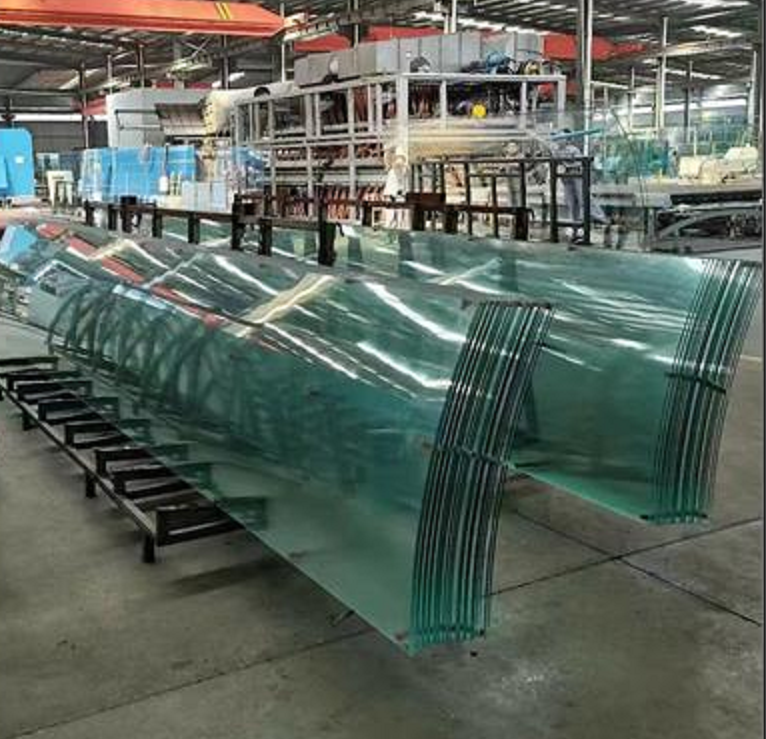
On the line, the nip roller is the gatekeeper. If it can’t deliver uniform preheat across the glass edge, you’re buying trouble—thermal stress, roll-wave marks, weak edge compression. In tempering, that shows up as breakouts. In lamination, it’s bubbles and a line that crawls. In insulating glass sealing, you risk an uneven cure on the adhesive. The practical fix is a nip roller preheat module built around how glass actually behaves in production. We lean on short-wave infrared quartz emitters because they target glass emissivity and heat the glass directly, not the air around it. That gives you fast response and tighter control. Typical modules run 1–3 kW per zone, 240–480 V, with a compact footprint that fits standard nip sections. Control is PID, with thermocouple feedback right at the roller surface, so you hold setpoint even when line speed changes. We shape the thermal field to keep edge-to-center deltas small, which helps hold shape during bending and keeps edge quality consistent before tempering. This setup plays across multiple glass processes. In tempering, preheating before the quench takes the edge off the shock, cutting edge fracture and improving optical clarity. In bending, it smooths the transition into the mold, reducing roll-wave and optical distortion. For coating drying, it speeds solvent removal without cooking the film. In EVA/SGP/PVB lamination, it drives that initial viscosity drop for better adhesion and shorter cycle time. For insulating glass, it supports a consistent sealant cure at the primary seal station, which means a cleaner edge bead. Installation is straightforward on most OEM frames, but alignment and surface temperature measurement matter. Check roller runout and the emissivity of the roller cover. Expect surface temperatures well above ambient—plan for heat shielding and ventilation. Replacement cycles depend on duty, but we regularly see 5,000+ hours with stable output. Set the control to track glass thickness and line speed, and the unit pays for itself through fewer rejects and lower energy use.