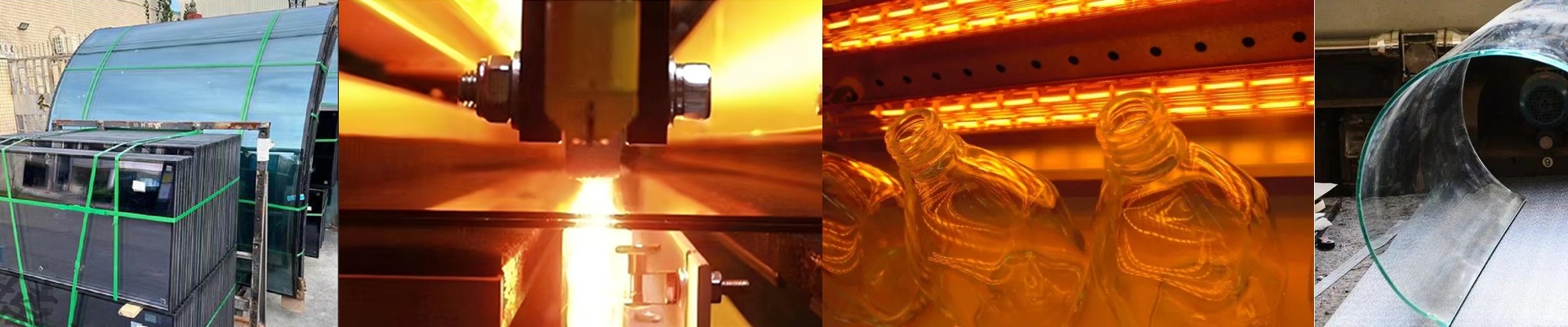

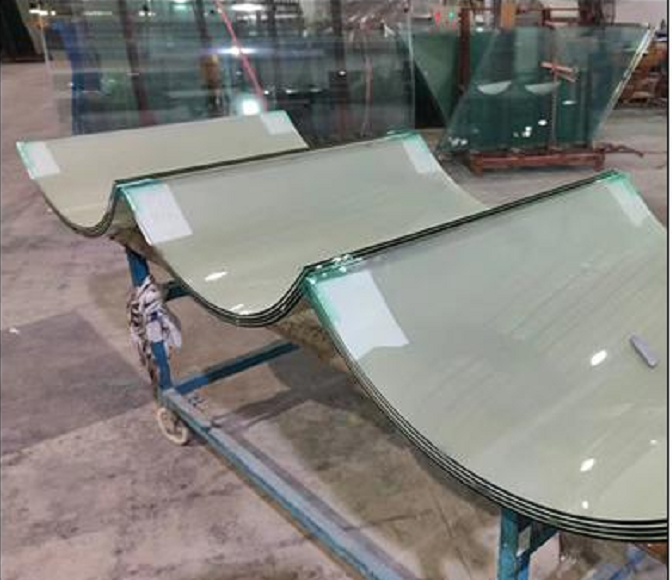
Out on the coating line, the mirror stacks sit waiting for heat. Undershoot, and the solvents hang around—leaving haze and killing adhesion. Overshoot, and you’re courting thermal stress, with hairline fractures that don’t show until later, when it’s too late. On mirror work, the drying lamp isn’t just heat. It’s the control knob on the process. What matters, technically We spec the mirror coating drying lamp with short-wave NIR quartz emitters, tuned to hit the wet film fast—volumetric heating without soaking the substrate. The output density is matched to line speed, and we keep the spectrum tight to cut convection and keep the coating surface even. Thermal response is quick, so warm-up is short, and the emitters are built to hold stable output over thousands of hours. Expect repeatable setpoints, uniformity across the width, and a form factor that drops into standard coater hoods. Why it works in real production You run to line speed, not to whatever the drying curve dictates. The lamp dries the mirror coating quickly and evenly, so the next pass—or inspection—doesn’t get bottlenecked. That means fewer sheets that need rework, less scrap, and consistent optical clarity. Energy use drops because the energy goes into the coating, not into heating the air around it. On high-throughput glass work, that adds up to more finished product per shift, with fewer stops to chase quality issues. Here’s what to keep an eye on Installation is straightforward, but the optics and reflectors have to be aligned to keep uniformity—misalignment shows up as striping. Keep the quartz emitters clean, and make sure cooling and shielding are right, because NIR intensity is serious. Build in routine checks on power connections and thermal management. Match the lamp to the line’s voltage and duty cycle, and set dwell and intensity against your coating formulation. Do that, and the drying step settles into a stable, repeatable cadence.