

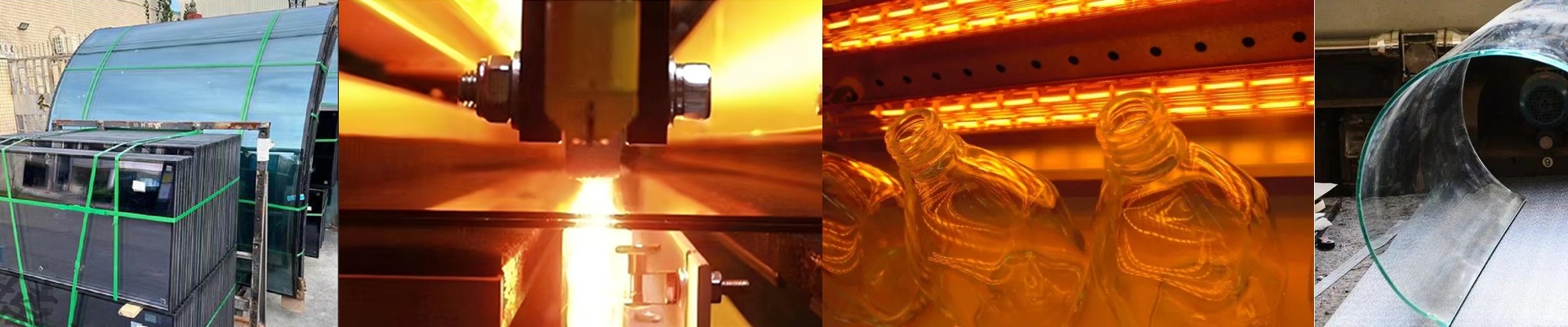

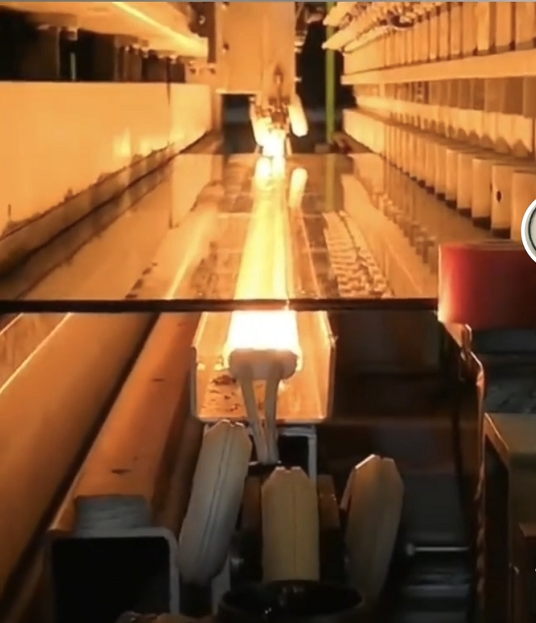
Trying to cut through ultra-thick glass is a nightmare for your equipment. If you’ve ever tried to score a cold, heavy slab, you know the feeling—the glass fights back. It resists the blade, the edges chip, and your cutting wheels just burn out way too fast. It’s frustrating and expensive. To fix this, we use high-penetration infrared (IR) lamps. Basically, we soften the glass right along the cutting path before the wheel even touches it. Here’s the trick: standard heaters usually just warm up the surface, which doesn’t do much for a thick piece of glass. You need shortwave IR radiation because those wavelengths actually sink deep into the material. By hitting the cutting line with that specific heat, the glass becomes a bit more “plastic.” It gives way. You don’t have to fight the material nearly as hard to get a clean score. And your tools will thank you. When the glass is pre-softened, the cutting wheel just glides. No more grinding, no more brutal friction. We’ve seen tungsten carbide wheels last 30% to 50% longer just by getting the IR heating right. That’s a lot less time spent swapping out worn-out parts. But you can’t just crank the heat to max and call it a day. If you overheat the path, the glass gets stressed and can crack in ways you didn’t plan for. It’s a balancing act. You have to match the lamp’s heat with how fast the cutting head is moving. Move too fast? The heat won’t go deep enough. Move too slow? You’ll warp the edge. The secret is getting your control system to sync the lamp intensity with the feed rate. Keep that heat stable, and everything else just clicks.