



Stop Your Glassware From Shattering: A Real-World Guide to Annealing
Getting glass from that molten, forming heat down to room temperature is a delicate dance. If you rush it—if that cooling curve drops too fast—the glass just gives up and shatters. It’s frustrating and expensive. That’s why we lean on uniform infrared systems. The whole point is to keep the temperature steady across the entire piece, no matter how weird the shape is.
The Secret to Avoiding Thermal Shock
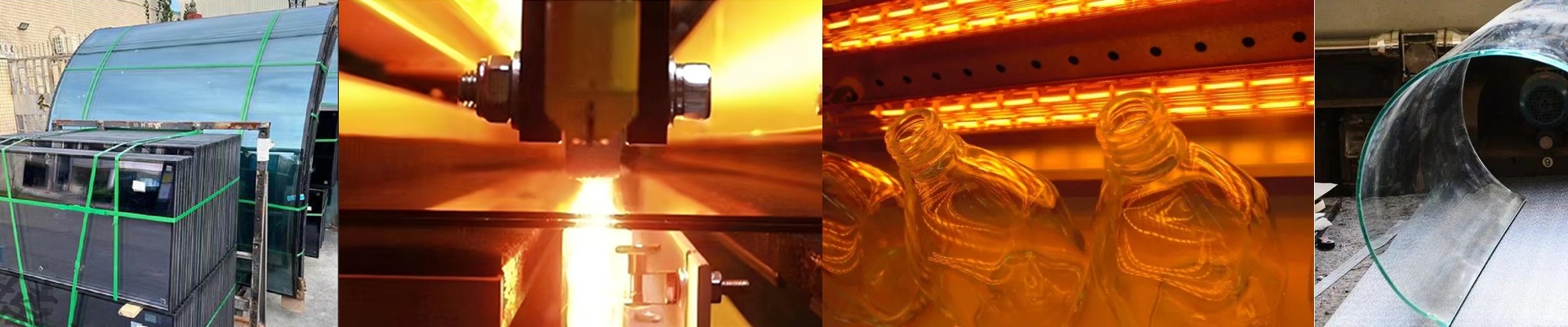
If you want to protect your glass, you need to be able to change the heat now, not in five minutes. This is why we use short-wave IR lamps. They’re incredibly snappy. Unlike those old resistive heating elements that hang onto heat long after you’ve turned them off, an IR lamp stops the second the power cuts. We hook these lamps up to a PID controller and a high-speed SCR. It basically creates a real-time conversation between your gear and the glass. The moment your pyrometers spot a temperature spike that looks like a disaster waiting to happen, the system kills the wattage. It happens so fast the glass never even hits that critical stress point.
The Practical Stuff (And Where People Mess Up)
Now, high-density IR arrays are great for rapid tempering, but they aren’t magic. They generate a ton of heat. When you pack high-wattage lamps into a small space, the housing gets hot. Fast. If you don’t get your cooling fans or water-jackets dialed in, you’re going to melt your sockets and fry your wiring. It’s a mess you don’t want to clean up. I usually recommend quartz-halogen tubes. They last longer and they’re just more efficient at pushing out the heat you actually need. If you’re swapping these into an old line, double-check your connectors. If they aren’t rated for the current, you’ll get voltage drops. That leads to “cold spots,” and that’s where the cracks start. One last thing:**alignment is everything.**If a lamp is off by just 5mm, you’ve created a weak point in your glass. Take the time to get it straight. It’s the difference between a perfect batch and a bin full of shards.