
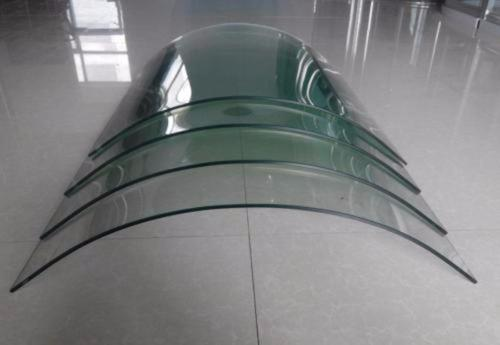
Stop Wasting Power on Glass Annealing
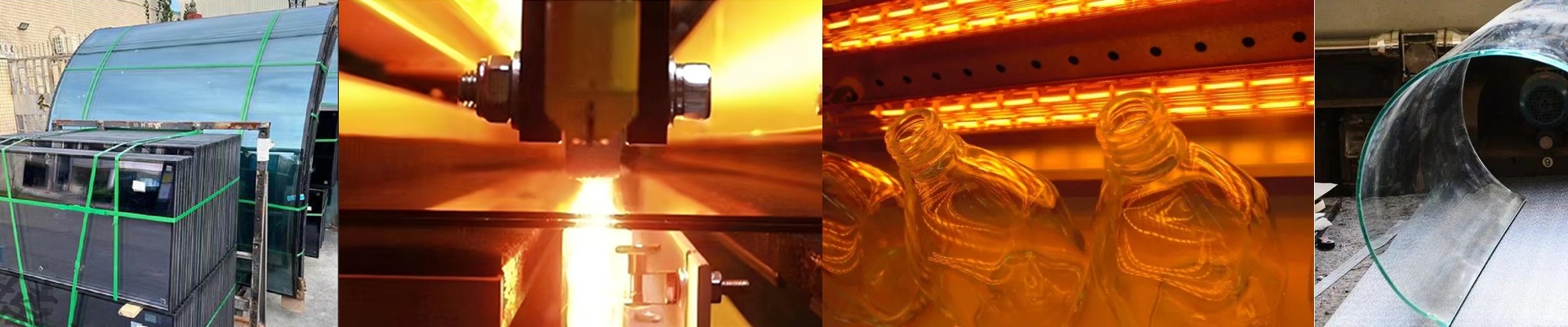
Let’s be honest: annealing is usually the biggest power hog in the entire plant. Most setups waste a ton of energy just heating up the air around the glass, which is basically like trying to warm up a room by heating the hallway first. It’s inefficient and expensive. That’s why we use twin tube infrared heating. Instead of fighting the air, we push the energy straight into the glass.
Why the Twin Tube Design Works
Here is the trick: we put two filaments inside a single quartz envelope. This doubles the radiating surface area without taking up any more space in your heater bank. It means you hit your target temperatures a lot faster. Plus, the heat spreads more evenly across the glass. When the heat is uniform, you don’t get those annoying internal stresses that lead to cracks. Fewer cracks mean way less scrap hitting the bin.
A Few Things to Watch Out For
Now, these lamps pack a punch. They operate at high power densities, so you can’t just plug them in and forget about them. First, make sure your controllers can handle that initial “cold-start” current spike. If you’re cranking up the wattage to shave time off your cycles, you’ve got to get your cooling fans right. If the ends of the lamps get too hot, the seals will fail prematurely. It’s a simple fix, but a costly mistake if you ignore it.
Actually Lowering Your Electric Bill
The real win here is getting rid of that “warm-up” lag. Since the heat is radiant, you aren’t paying to keep a massive volume of air scorching hot. You can just tweak the power in real-time depending on how thick your glass is. We see the biggest savings when a plant ditches old resistive coils for these IR elements. You stop paying for wasted convection. For most annealing lehrs, it’s a pretty straightforward swap—as long as your electrical panels can handle the load.