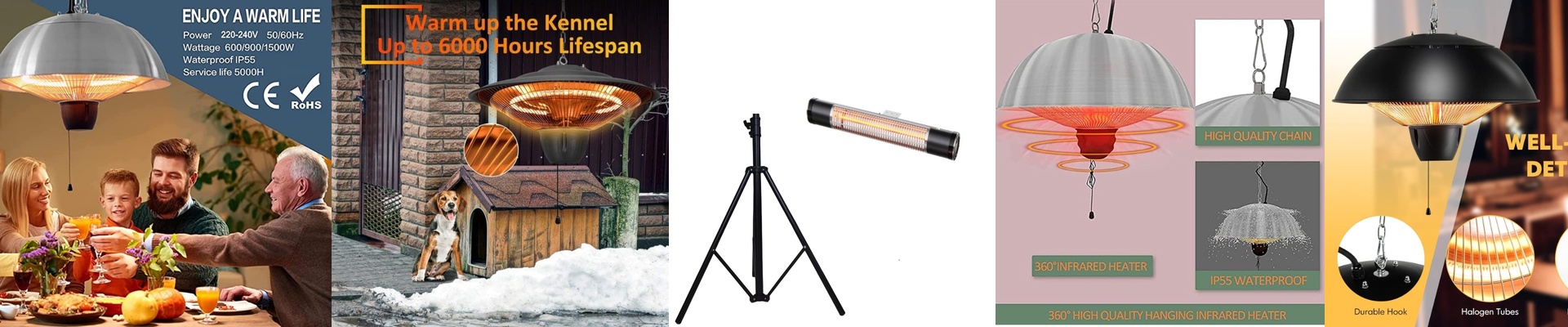

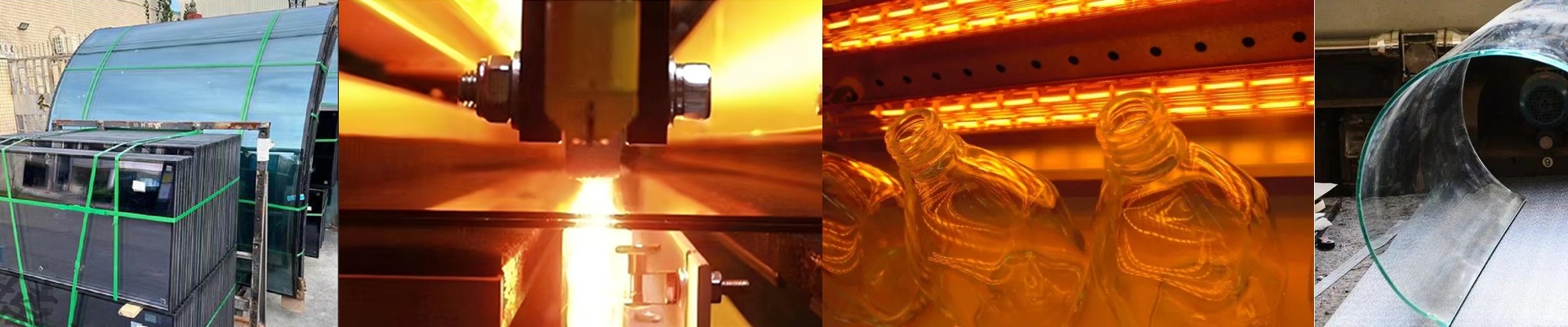
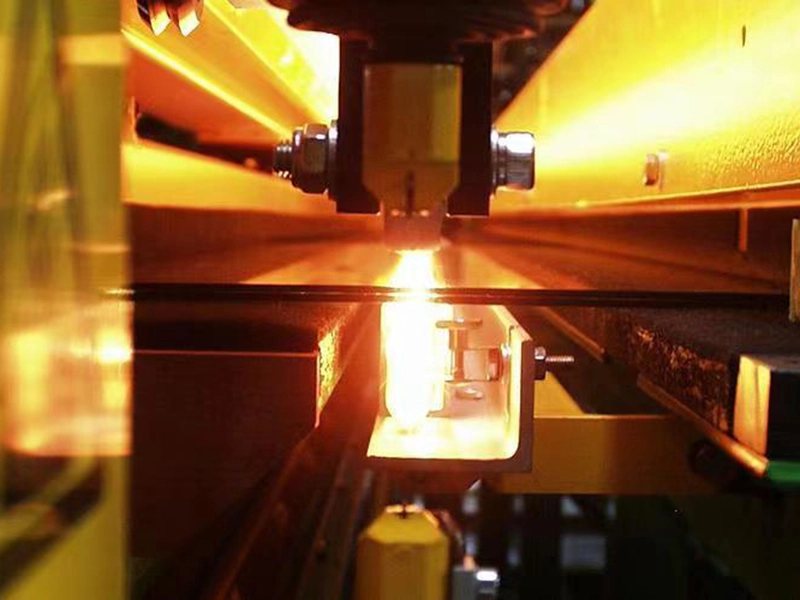
On the glass line, heat is the handle we grab to shape the glass, build its strength, and lock layers together. When the bending furnace has to hit the same contour shift after shift, when the tempering oven has to get the glass to the quench point without cracking it from thermal shock, when the lamination press needs a fast, even cure across every stack—slow or uneven heating shows up fast. You see it in scrap, rework, and a line that just can’t keep pace.
What matters, technically
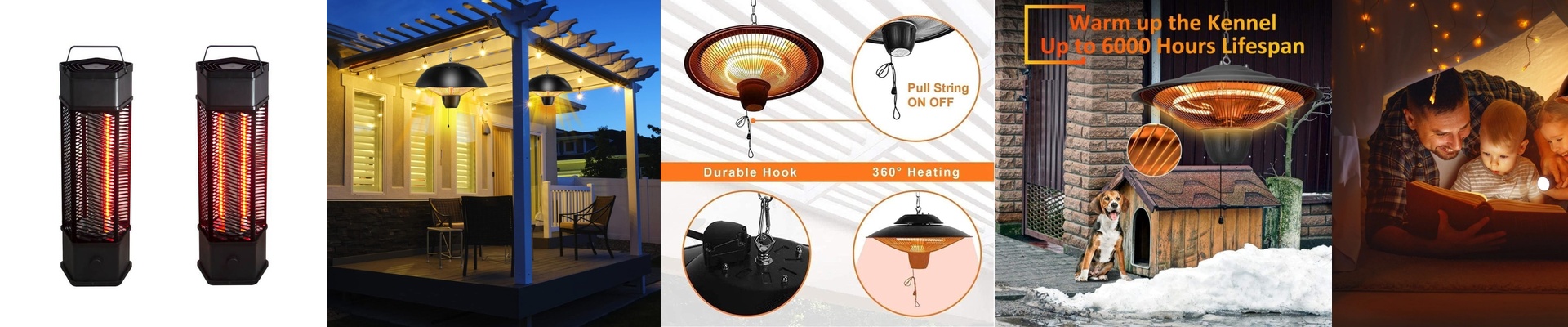
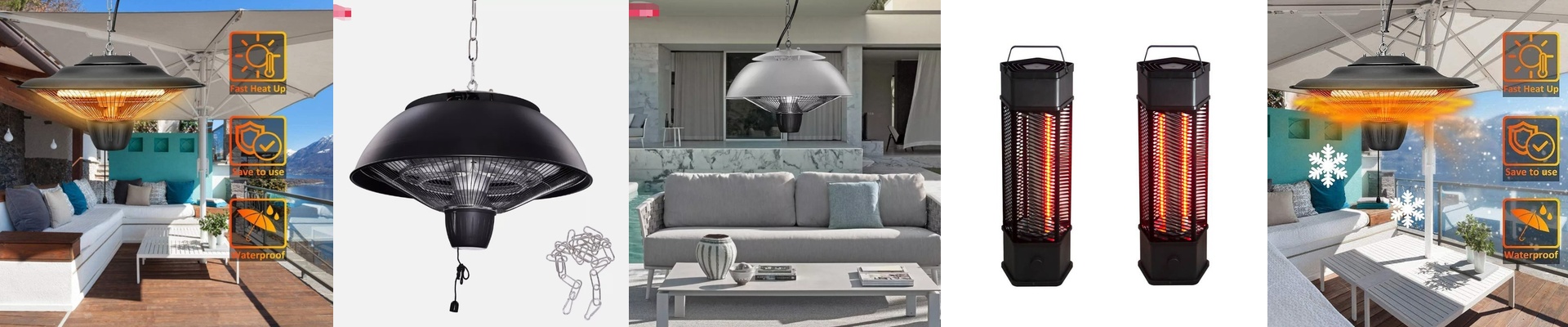
We built this fast-response infrared radiator around short-wave quartz elements. They snap to temperature and pack serious power in a small footprint. The emitters put heat right where you need it—on the glass surface—instead of wasting energy heating air. That gives you faster ramps, less thermal inertia, and a temperature profile you can repeat zone by zone. The module comes in standard voltages and common mechanical sizes so it drops straight into existing heating stations. Hookups are straightforward, and the quartz envelope is built for the kind of duty cycle you run on the floor.
Why it holds up in real processes
In hot bending, you get controlled local heat that softens the glass along the bend line quickly. Cycle time drops, and you keep optical quality where it needs to be. In tempering, the preheat phase stays stable, so you cut down thermal stress before the quench. That lowers the risk of breakage when the glass hits the quench threshold. For lamination—EVA, SGP, or PVB—rapid, even heating shortens press time and helps keep bond uniformity across the sheet. No cold spots, no inconsistent flow. On coating lines, the short dwell window is matched by fast response and tight temperature control. Yield improves, and you’re not burning energy for no reason. The payoff is fewer temperature swings, fewer rejects, and output that stays consistent.
The details that keep it working
Installation is simple, but alignment and emissivity matter. Mount the radiator to match the target zone geometry, and keep the emitting surface clean. If you don’t, heat distribution drifts and you’ll chase drift on the line. Because the heating is intense and localized, check that the insulation and reflectors around it are in good shape. That protects nearby components and keeps efficiency where it should be. Plan for routine inspection of the connections and the quartz integrity. Do that, and the heating profile stays stable through thousands of hours on the line.