
Why Your Wine Glasses Keep Breaking (And How to Fix It)
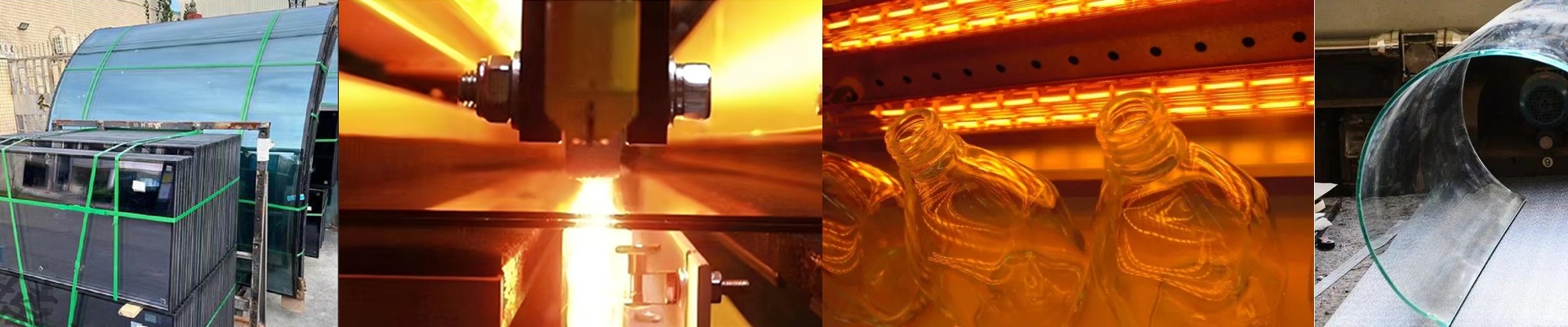
If you’ve ever dealt with batch-processed glass annealing, you know the absolute nightmare of the “edge effect.” It’s frustrating. You look at a batch and realize the edges aren’t cooling the same way the center is. Usually, it comes down to the lamps. If your infrared lamps are off by even 5% in wattage or spectral output, you get hot spots. That might not sound like much, but it’s enough to leave residual stress in the stem or make the bowl cool unevenly. The result? A mountain of scrap glass and a lot of wasted time.
Getting the Heat Right
We tackle this by getting obsessive about the tungsten filaments and quartz envelopes. When we talk about “consistency,” we aren’t just using a buzzword. We mean that every single lamp in that bank is putting out the exact same amount of energy. If you mix in a few old, degraded lamps or deal with slight voltage swings, your heat distribution shifts. The glass just doesn’t soak up the heat the way it should. That’s why we use short-wave infrared (SWIR). It’s a bit of a secret weapon. Short-wave energy punches through the glass surface much faster than long-wave does. It means the core of the glass hits that sweet spot for annealing without scorching the outer skin.
The Balancing Act
Now, high-wattage quartz lamps are great because they get the job done fast. But there’s a catch. When you cram that much power into a small space, your lamp holders take a beating. If your wiring isn’t built for that peak current, you’re going to smell burning connectors pretty quickly. It’s a mess you don’t want to clean up. And here is a pro tip: check your PID controllers. Even the most expensive lamps in the world can’t fix a lazy sensor. You need a response time that’s snappy, otherwise, you’ll overshoot the glass transition temperature and ruin the batch.
Real Talk from the Shop Floor
A lot of people try “drop-in” replacements to save a buck, but they usually fail. Why? Because the new lamps have a different spectral peak than the old ones. It’s like trying to put a puzzle piece from a different box into your picture. We match the emissivity to what you’re already running. It keeps your cycle times steady. Plus, it means you can swap out a burnt-out tube and get back to work without having to spend your entire afternoon recalibrating the oven.