

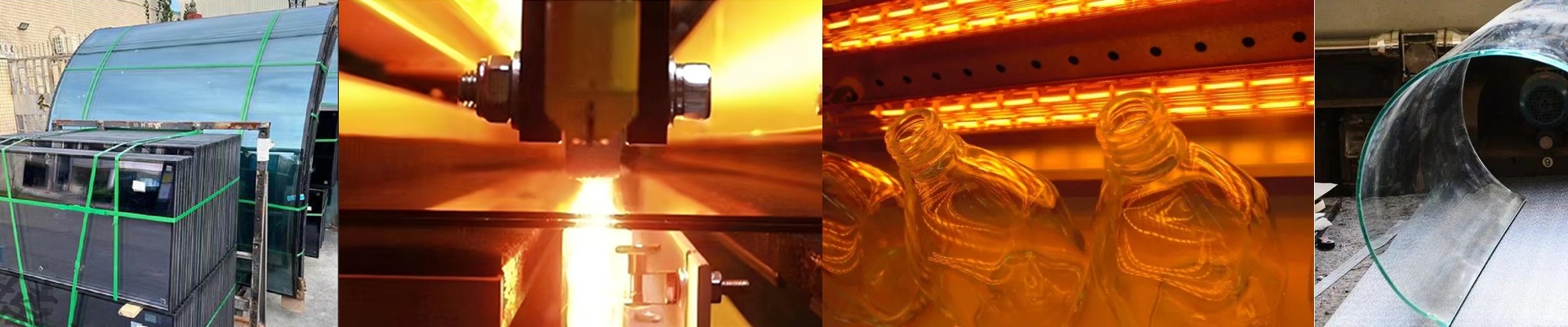

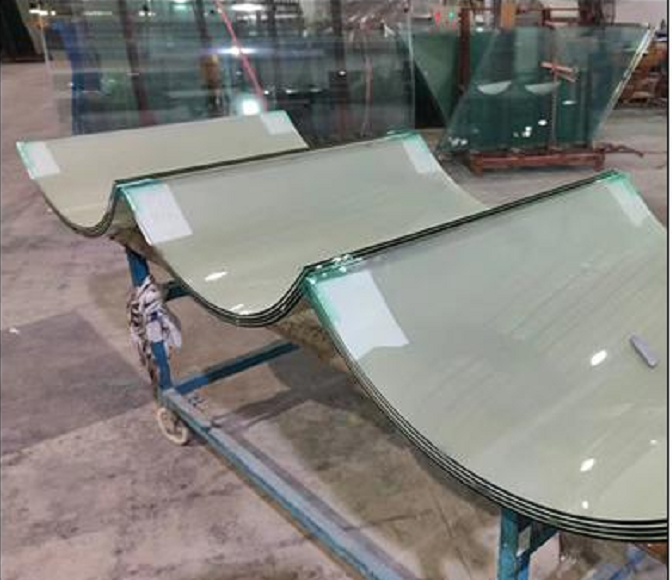
Trying to cut through ultra-thick glass is a nightmare. It’s just too rigid. You fight the material, it fights back, and usually, the glass wins by cracking in a place you didn’t want it to—or your cutting wheels just give up and go blunt. We found a way around this using high-penetration infrared (IR) lamps. Basically, we blast the cutting path with concentrated heat before the wheel ever touches the glass. Why the heat matters Here’s the thing: you can’t just use a standard heater. Thick slabs are stubborn; the surface cools down way too fast for a normal heater to do anything. That’s why we use short-wave IR. It doesn’t just warm up the “skin” of the glass; it actually sinks deep into the material. It relaxes the internal tension. By the time the cutting wheel hits that preheated line, the glass feels less like a brittle rock and more like something you can actually work with. It takes way less muscle to get a clean score. Saving your tools If you’ve ever cut cold, thick glass, you know the sound. It’s a struggle. That friction eats through diamond and carbide edges fast, leaving you with chipped tools and a lot of wasted time. When you soften the path first, the tool just glides. You aren’t fighting the glass anymore. Sure, you’ll spend a bit more on the electric bill to run the lamps, but it’s a fair trade when you realize you aren’t replacing wheels every few days or stopping production for repairs. The reality check Now, this isn’t a “plug and play” situation. To get that heat deep enough, these lamps have to run at a very high wattage. They gethot. You can’t just bolt them to a frame and hope for the best. If your cooling system isn’t up to the task, that ambient heat will soak into everything, potentially warping your gantry or frying your sensors. And whatever you do, don’t under-power the lamps. If you only heat the surface, you’re just asking for thermal shock. You’ll end up cracking the glass before the blade even makes contact. Get the power right, and it’s a breeze. Get it wrong, and you’ve just made a mess.