Getting Low-E Glass Preheating Right for Wide-Format Lines
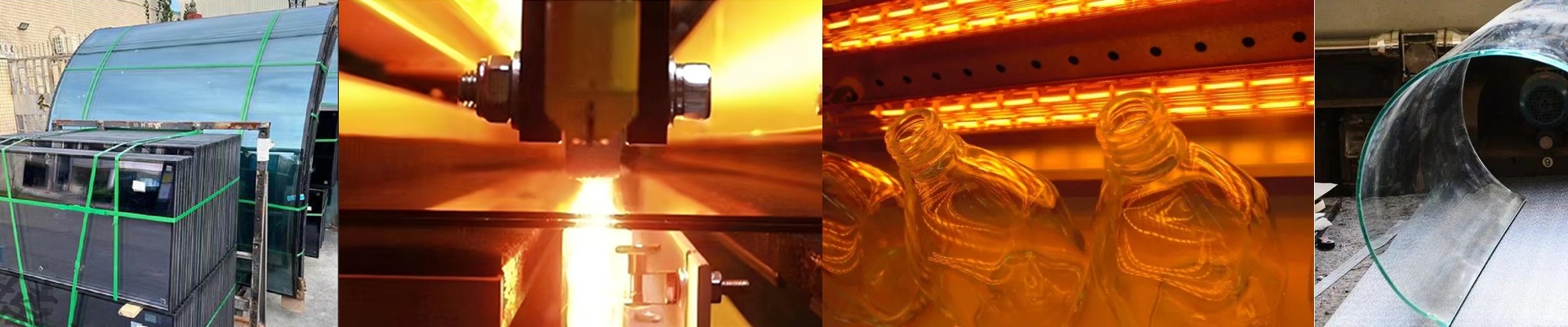
If you’ve ever worked with wide-format Low-E glass, you know the struggle. You need that glass hitting the tempering roller at a very specific temperature. But when your line is huge, standard lamps just don’t cut it. You end up with those annoying cold spots at the edges that mess everything up. That’s why we build custom infrared heating units that go beyond 3 meters. No gaps. No guesswork.
The struggle with ultra-long tubes
You can’t just stretch a heating element and hope for the best. If you do, you’ll run into voltage drop. Here’s the thing: if the wattage is too low, your glass stays cold. Too high? You’ll fry the edges. We spend a lot of time tweaking the filament diameter and the coil pitch based on your specific voltage. It’s the only way to make sure the heat is the same from one end of the glass to the other. We also use high-purity quartz glass for the tungsten filament. It’s not just for show. It lets that shortwave radiation punch straight through the Low-E coating and deep into the core of the glass. Fast.
The trade-offs (because nothing is perfect)
Long tubes are finicky. A 3-meter piece of quartz is basically a giant, fragile noodle. If you don’t support it right, it’ll bow or even snap during installation. We fix this with reinforced mounting brackets that keep everything straight and stop the tubes from sagging. And you’ve got to keep an eye on your power. When you run several of these long units, the current draw is massive. Your wiring and power cabinets need to be ready for that initial surge when you flip the switch. Plus, don’t skimp on the cooling. If heat builds up around the ends of the lamps, they’ll burn out way faster than they should.
No more “zebra stripes”
These units are designed to slide right into your existing heating tunnels. The real win here is getting rid of those gaps you see in modular, short-lamp setups. When you have a continuous heat source, the heat map is smooth. You stop seeing those “zebra stripes” on the glass, which means way fewer breakages during quenching. It just makes the whole process feel a lot more stable.