

Getting Train Window Annealing Right
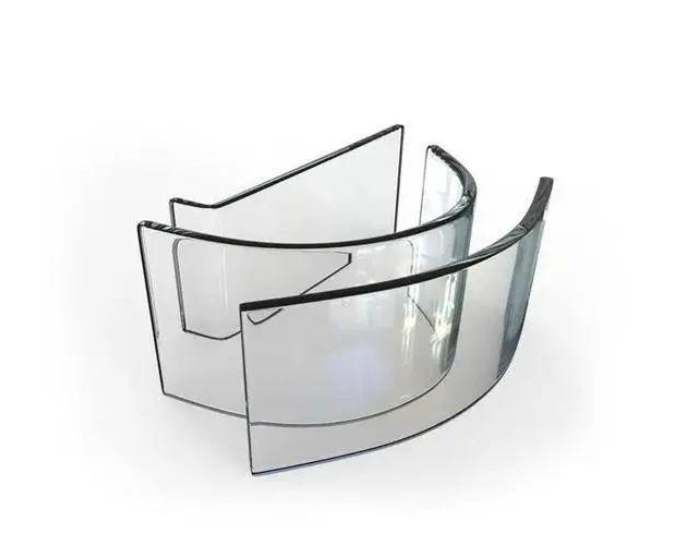
Train windows have a tough life. They deal with crazy pressure shifts and wild temperature swings. If you don’t get the internal stress out of that glass during annealing, it’s eventually going to shatter. Simple as that. We don’t just sell you a few lamps and wish you luck. We look at your whole thermal profile. The goal is to get the glass to that soak temperature without it warping or twisting.
The trick to stress relief
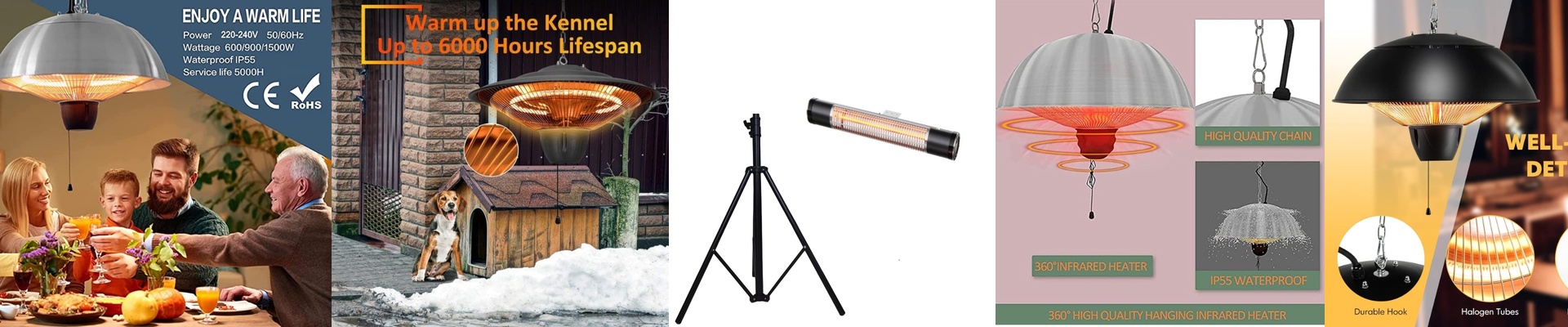
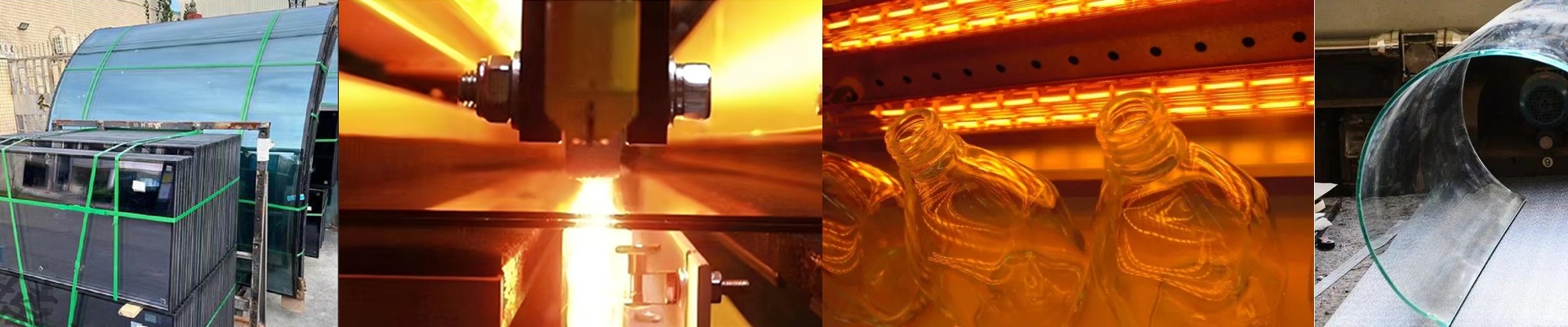
Annealing is all about the curve—how you heat it up and how you let it cool down. We use short-wave infrared emitters because they punch through the thickness of the glass quickly. This keeps the surface and the core from fighting each other. If the heat is too low, you get uneven cooling. Too high? You’ll warp the surface. We figure out the exact wattage and voltage based on how fast your conveyor is moving and how thick your glass is. It’s all about hitting that sweet spot.
The gear (and the trade-offs)
We usually go with high-wattage quartz lamps. We use specific coatings to tune the light spectrum just right for your glass. Now, you could go with a higher voltage setup to save space, but that puts a lot more stress on your wiring and power supply. You have to make sure your contactors can actually handle that initial surge of power. That’s why we use industrial-grade connectors. They stop the arc-over that happens in high-heat spots. These aren’t some cheap parts from a catalog; they’re built to take a beating on a 24/7 production line.
Why we need to see your floor
A datasheet is great, but it only tells you what a lamp does in a perfect vacuum. It doesn’t tell you what happens inside your oven. We’d rather just come over, walk the floor, and map out your temperature distribution. We look for those annoying cold spots where stress likes to hide. Most of the time, the fix isn’t just swapping in a new lamp. It’s usually about moving the heaters around or tweaking the dwell time. We help you set the whole thing up so you aren’t stuck replacing burnt-out tubes every couple of months.