
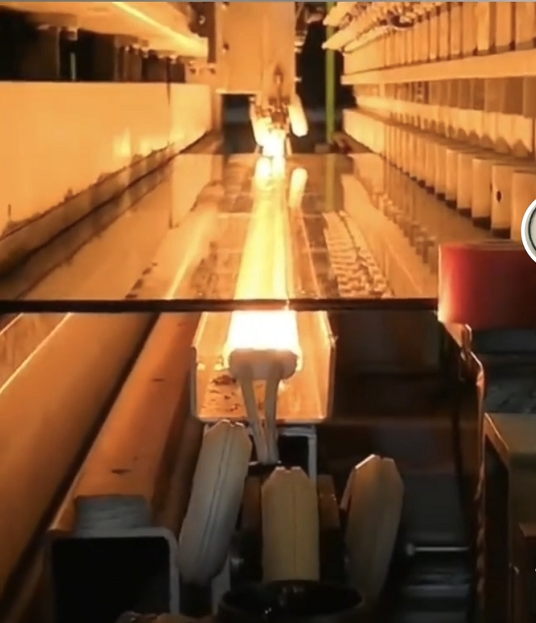
Getting the Curve Right on the Glass Line
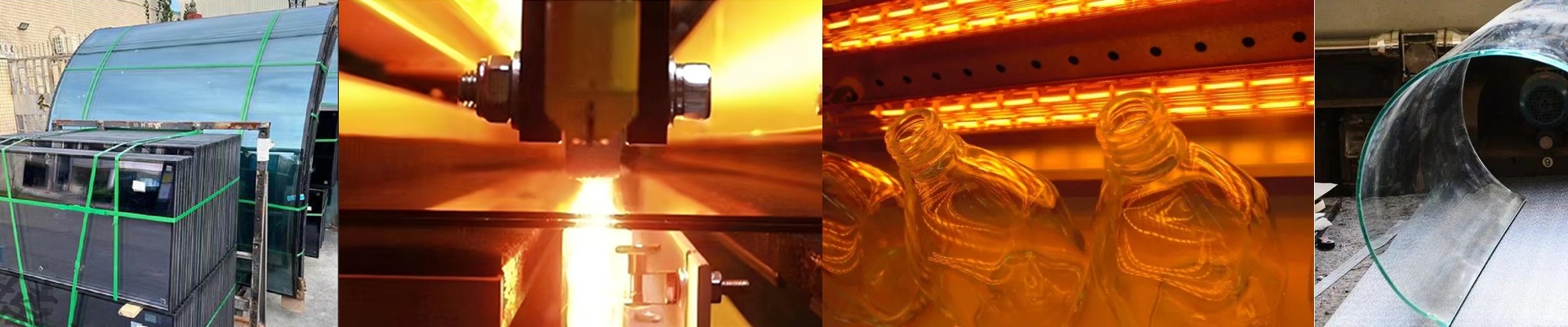
When you’re running a long glass coating line, that heater at the hot end isn’t just about making things hot. It’s the dial that sets your entire curing curve. You don’t need a heat source—you need a system that follows a precise thermal path, end to end. That’s exactly why we lean on a partitioned, infrared setup.
Control, Zone by Zone
Here’s the thing: we design these systems so each heating zone has its own set of hands on the wheel. That independence is what lets you build the exact curve you want—ramp up, hold steady, then cool down—without guessing. The muscle behind it is shortwave infrared lamps, typically running at 400V. They deliver the power density you need, and they respond fast. We match the wattage and tube length to your line speed and the coating chemistry. The payoff? The thermal profile you need, without scorching the substrate.
Built to Take the Heat
The quartz tube is coated to handle the shock of rapid on/off cycles, and it keeps emissivity consistent over time. Inside, the halogen element gives you a clean, focused heat spectrum that cuts right through the coating. For hookup, we use R7s or Sk15 connectors. These are industrial-grade, built for high current and rock-solid connections. They’re tough enough for a running line, and they drop right in as a replacement for existing fixtures. No fuss.
Real-World Control
On a long glass line, this setup means you can tune each zone independently. You dial in the right temperature for each section, and you get uniform curing from start to finish. The result? Consistent quality and less scrap. But there’s a trade-off. A 400V, 2500W tube packs serious heat density. Your cooling system has to be up to the task. If you don’t plan for the ambient temperature rise, you’ll shorten the life of the components—and that’s a headache you don’t want.
Repeatable Results, Day After Day
With this configuration, you can manage the ramp-up, hold, and cool-down by adjusting power to each zone. No more guesswork. No more defects from uneven heating. The system is built to work hard, day in and day out, so you can hit your spec—every time. And you get flexibility. Change profiles as your product changes, and the process stays reliable.
The Heat Reality Check
High power means high heat. Treat heat management like the critical piece it is. A robust cooling setup isn’t optional. Without it, the electronics and the lamp will cook. Size your cooling to match the thermal load of the full bank, and the system will run as intended.
Quick Look at the Specs
- **Voltage:**400V
- **Power:**2500W
- **Tube Length:**300mm
- **Connector:**R7s / Sk15
- **Technology:**Shortwave infrared, halogen, coated quartz This is for engineers who want control, not just heat.
Built for the Shop Floor
We design these lamps for real life on the line. They’re tough, straightforward to wire, and easy to swap out. The coating on the quartz tube resists degradation from rapid cycling, which helps extend service life. And the connectors are standard, so you don’t need special tooling. You spec the line, we match the lamp. That’s how you manage the curing curve in practice.
Why Partitioned Infrared Works
If you need to control a curing curve on a long glass coating line, partitioned infrared is the practical choice. The specs line up with the process, the materials can handle the environment, and the controls give you repeatable results. This is industrial heating, engineered for the real world. We build it to run. You run it to spec.
No Hand-Waving, Just Heat Where You Need It
It’s simple: you get heat exactly where and when you need it.
Practical Tip
Match the lamp length to the zone width. A 300mm tube fits tight spaces and gives you focused heat without wasting room. That keeps your line compact and efficient.
The Coating Matters
The coating on the quartz tube is a big deal. It protects against thermal stress and keeps output consistent. Fewer failures. Less downtime.
The Bottom Line
We design for the realities of the factory. You get a system that meets the process requirements and stands up to daily use.
One Last Point
Spec the lamp, size the cooling, and run the line.