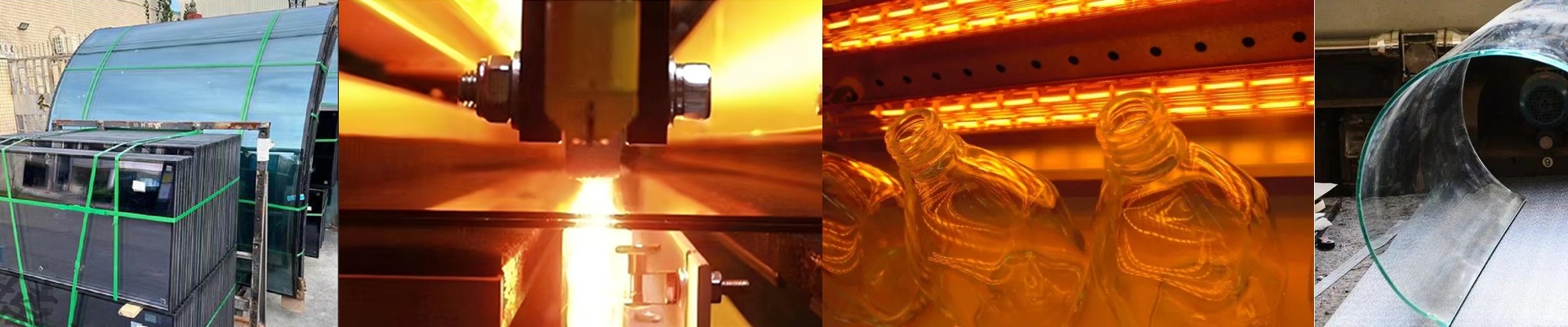
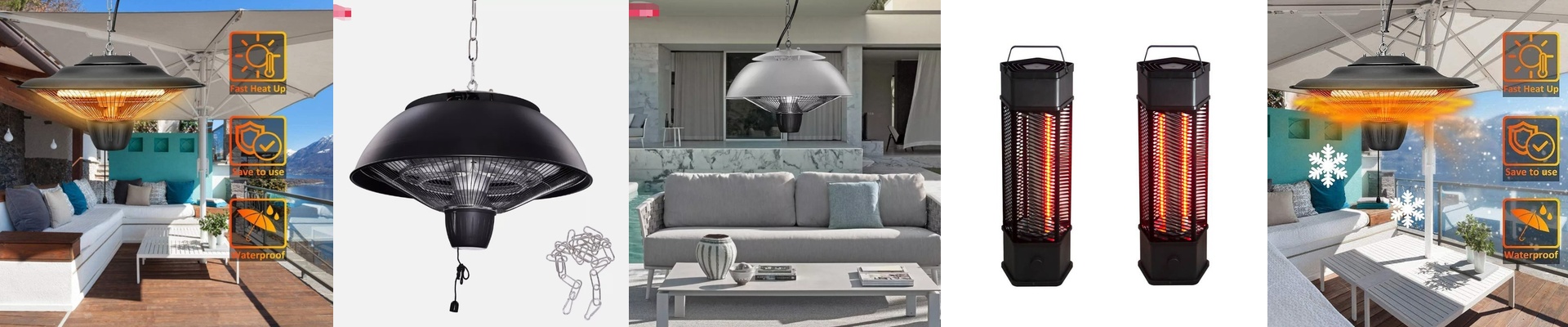
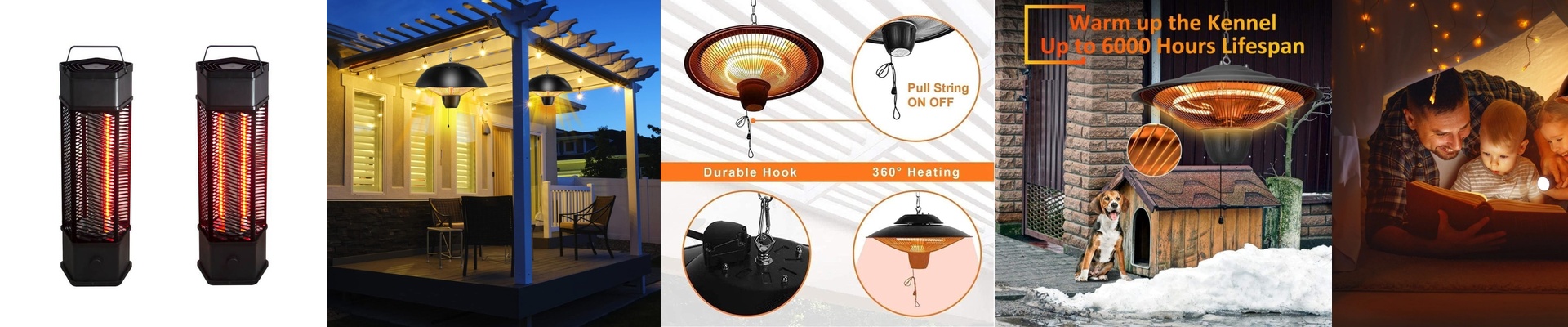

On the tempering line, the furnace door opens and the clock starts ticking. If the top surface doesn’t hit setpoint in the window, bow and warp turn into a guessing game. If the edges lag, thermal stress cracks show up in inspection. High power density IR heaters are the practical way to nail the temperature profile every cycle, without chasing the curve. What matters on the floor is control you can measure. Our high power density IR heater hits up to 60 kW/m² at the emitting face, and it snaps to step changes in power in 2 ms. Across the width of the glass, temperature uniformity is ±2°C at 680°C, and you’re up from ambient to operating temp in under 6 seconds. The quartz envelope runs to 900°C with high emissivity, so you’re radiating straight into the glass instead of wasting time heating air. The payoff is predictable heating, repeatable cycles, and fewer scrapped panes from thermal gradients. Glass processing runs on time and temperature. In tempering, you need the surface to come up fast so the stress profile is set before the quench. In coating and lamination prep, the same heat drives off moisture and solvents without scorching the substrate. That translates into faster line speeds, lower gas or electricity draw compared to convection-heavy zones, and less shift-to-shift variability. More good glass out the door, and less downtime spent tuning zones. Here’s the part you can’t gloss over: high power density means you have to get the mounting and cooling right. Keep the mounting surface clean and reflective, and verify clearances so you don’t get re-radiation onto nearby components. Water-cooled versions are available for continuous duty at full power, and the module drops right in to common OEM footprints. Match the supply to the heater rating, and set the control strategy to keep overshoot off the fast ramps. Handle those basics, and the heater acts like a stable heat source — not another variable you spend the shift chasing.