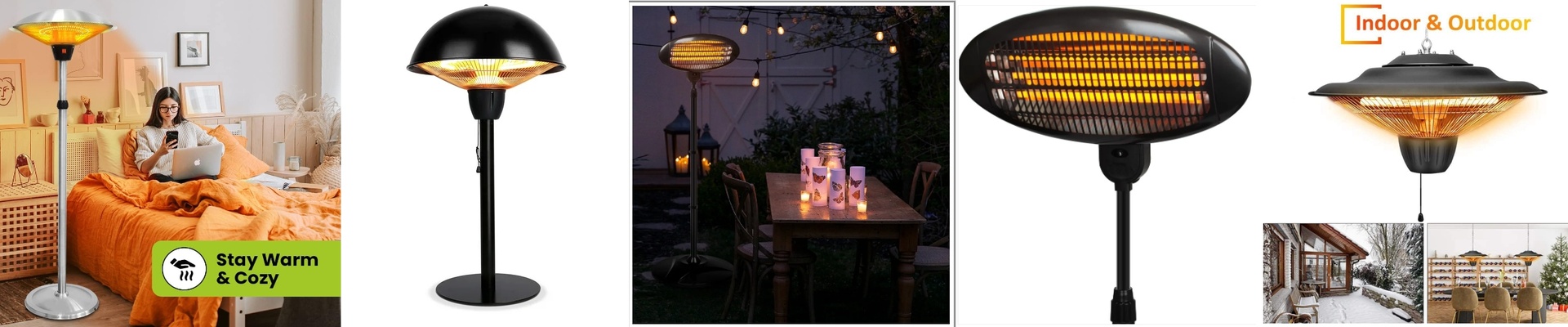

Back in a lot of remote homes, the old kerosene stove was the go-to for warmth, but you paid for it. Soot on the walls, that sharp fuel smell, and the nagging need to keep the place ventilated. Swap the flame for clean infrared warmth, and breathing gets easier. It’s about more than heat—it’s steady comfort and air you don’t have to fight.
What matters, technically
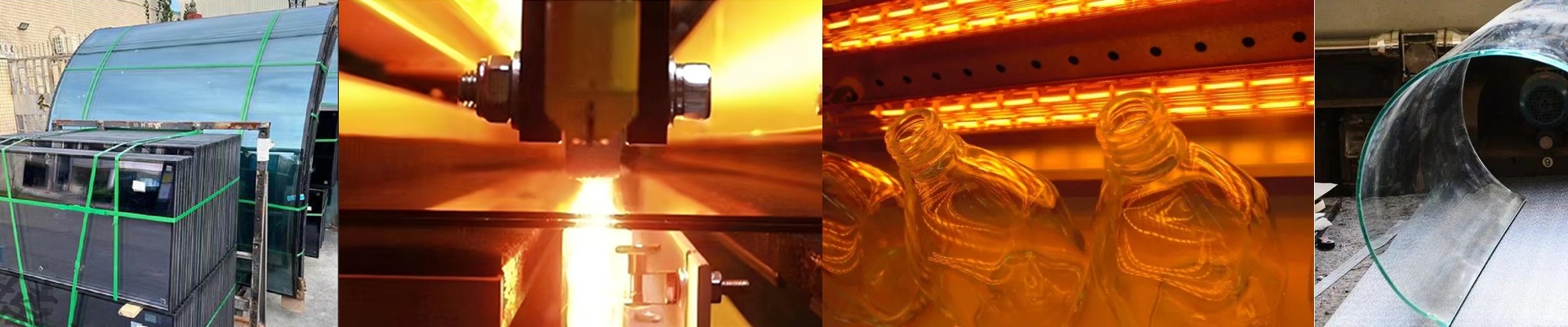
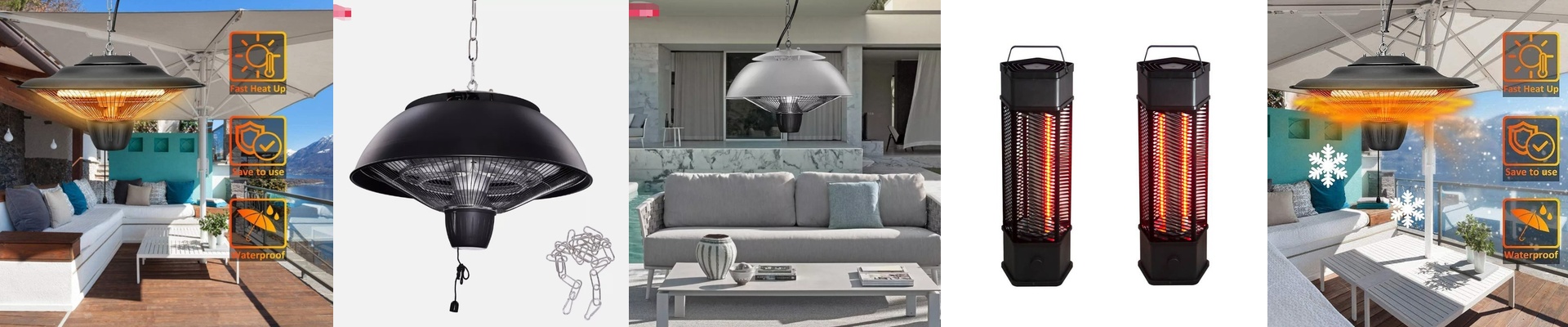
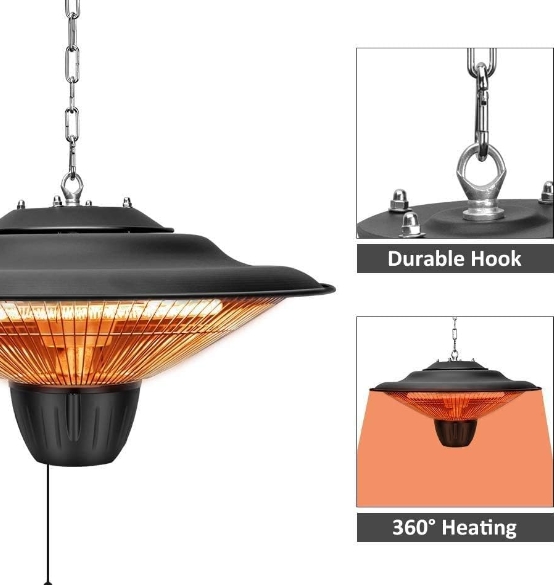
Infrared heaters throw radiant heat, warming people and objects directly instead of messing around with the air. In practice, you feel it within seconds of switching on, and it holds steady even when a door opens and closes. We lean on a carbon fiber element in the core because it heats up fast and gives an even glow. Most units run off a standard 120V outlet, pulling 1,200–1,500W, so you can plug them in without chasing heavy wiring. A built-in thermostat keeps the room at your set point, and you get standard safety coverage—tip-over protection and a protective grill.
Why it fits this situation
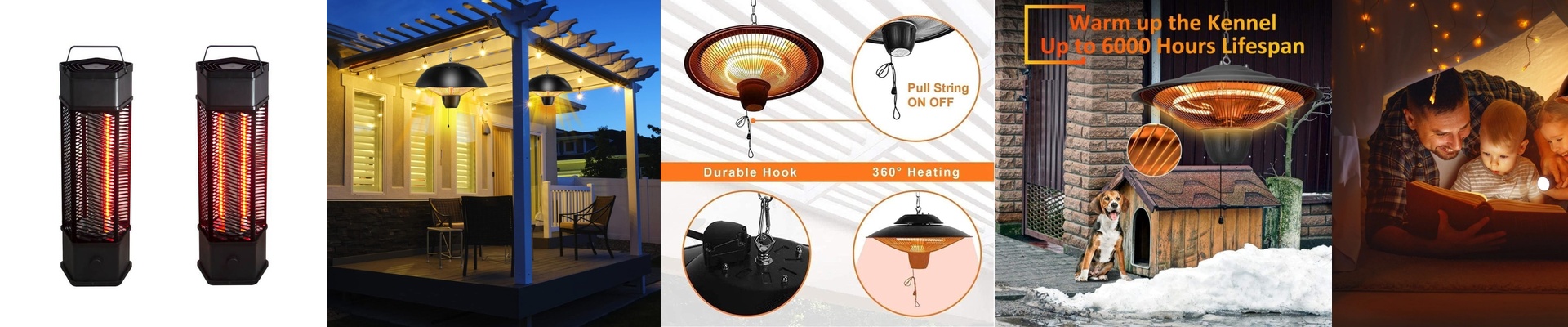
Going from kerosene to an infrared electric heater cuts out the combustion byproducts that make indoor air feel heavy. No open flame, no fuel storage, no cracking a window just to breathe safely. The warmth lands more naturally, like standing in a sunlit spot, and it supports the kind of steady comfort that helps you sleep and relax. In remote homes where ventilation is tight and winter nights drag on, that shift changes the whole vibe—from simply enduring the cold to actually enjoying your time inside.
The practical bits
Infrared is directional, so placement matters. Point the heater so it hits the main seating area directly, and you’ll feel the payoff. Keep a clear clearance around the unit, and plug it into a grounded outlet. These heaters are efficient for spot and zone heating, but if you’re after whole-home comfort, pair them with solid insulation.