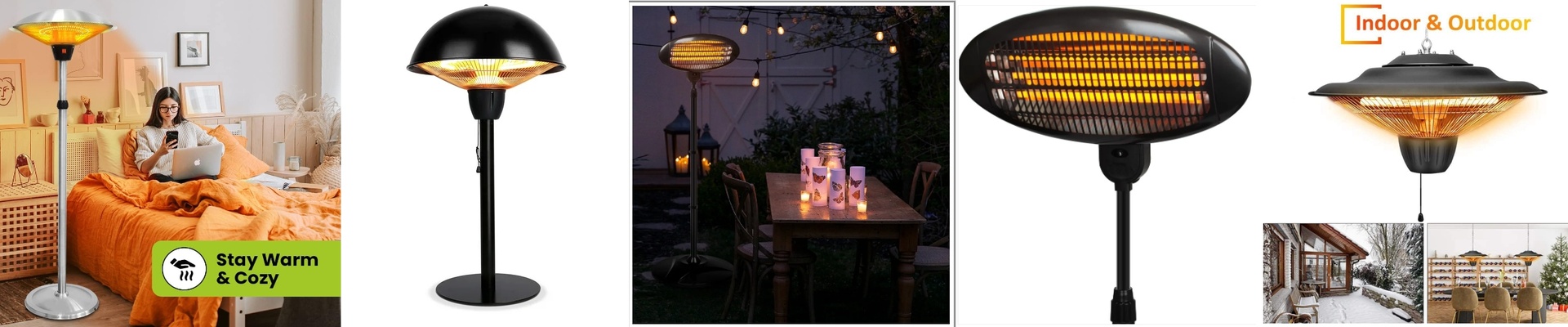
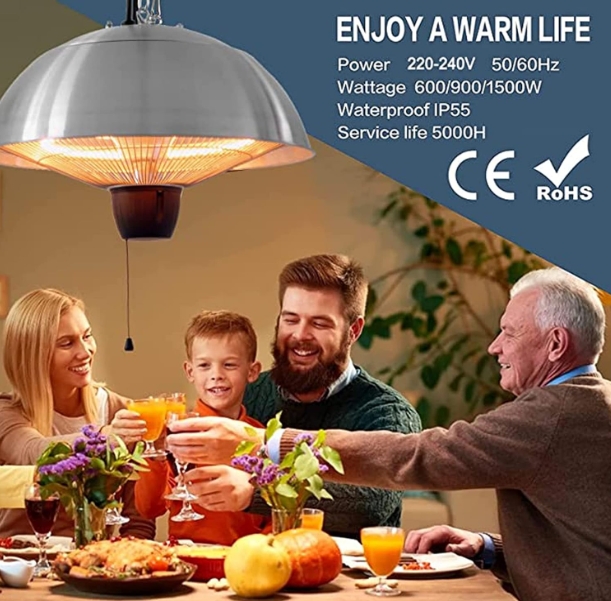
Why Most Infrared Heaters Die in Chicken Coops (And How We Fixed Ours)
Let’s be honest: chicken coops are absolute nightmares for electronics. You’ve got thick humidity, ammonia fumes that eat through metal, and enough dust to bury a city. If you throw a standard infrared lamp in there, it’s usually a countdown until it burns out. We got tired of seeing that happen. So, we built a waterproof heater specifically for this mess, focusing on the two things that usually kill these units: water leaking in and the chassis rotting away. The battle against mist and splashes When we talk about “waterproof” in a coop, we aren’t talking about a rainstorm. We’re talking about the constant, annoying mist from waterers and the splashes that happen every time you clean. If a single drop of water hits the electrical terminals, you get arcing. Then, pop—the unit is dead. To stop that, we sealed the housing tight. We also changed the glass. Standard quartz tubes are fragile; if a cold drop of water hits a screaming-hot tube, it can crack instantly. We use a treated glass that can handle that kind of thermal shock without shattering. Ammonia and the dust problem Then there’s the air. Ammonia gas is basically acid for cheap metals. If you use a low-grade reflector, it’ll be rusted through in six months. We switched to corrosion-resistant alloys so the unit actually lasts more than one season. And the dust? It’s everywhere. It settles on the lens and kills your heat output. We tweaked the shape of the heater to help the dust slide off, but look, you’re still going to need to wipe them down every now and then if you want the full wattage. The honest trade-off Here is the catch. Because we sealed everything so tightly to keep the moisture out, these units are a bit heavier. They’re also a pain to open. You can’t just pop them open and swap a part in ten seconds without the right tools. But we’re okay with that. We’d rather you have a heater that’s a bit harder to service than one you have to throw in the trash every year. One last tip: please, use high-temp cables. If you use cheap wiring that isn’t rated for infrared heat, the insulation will melt long before the heater even breaks a sweat.