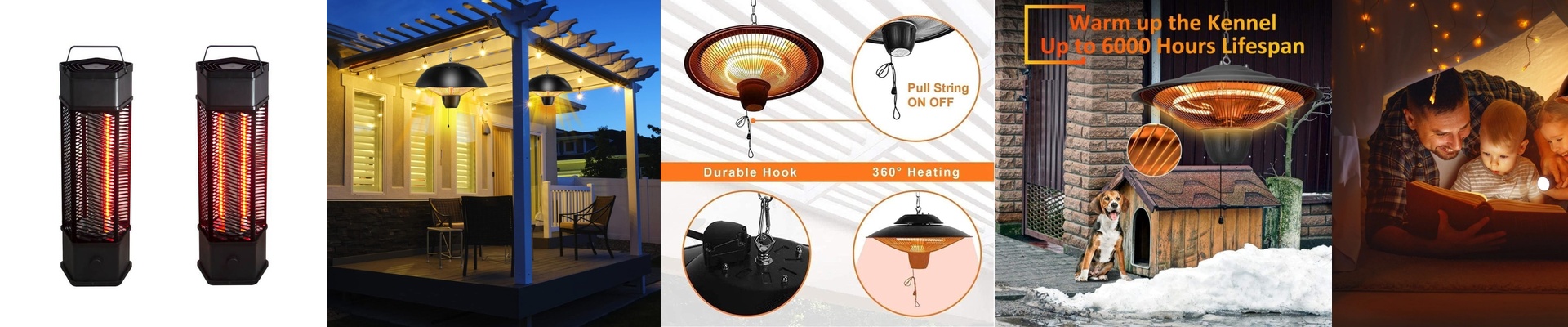
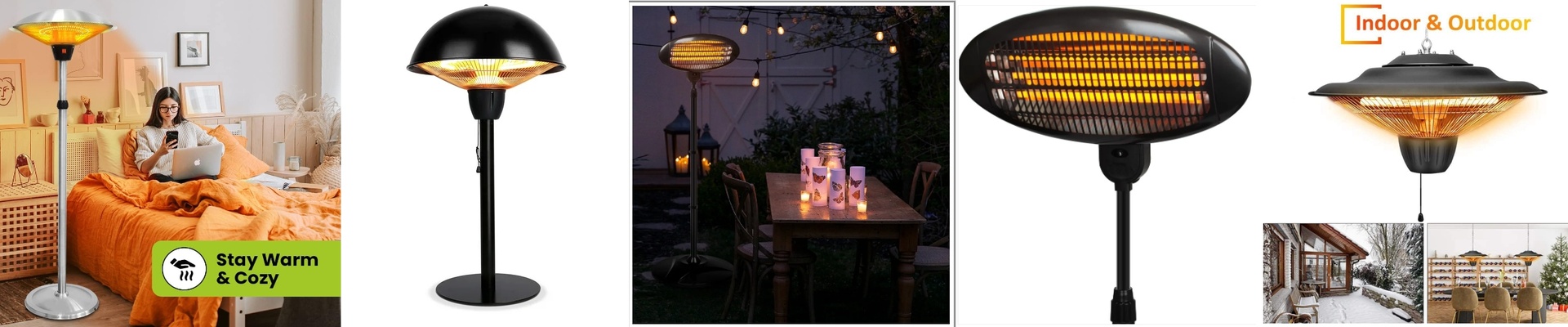
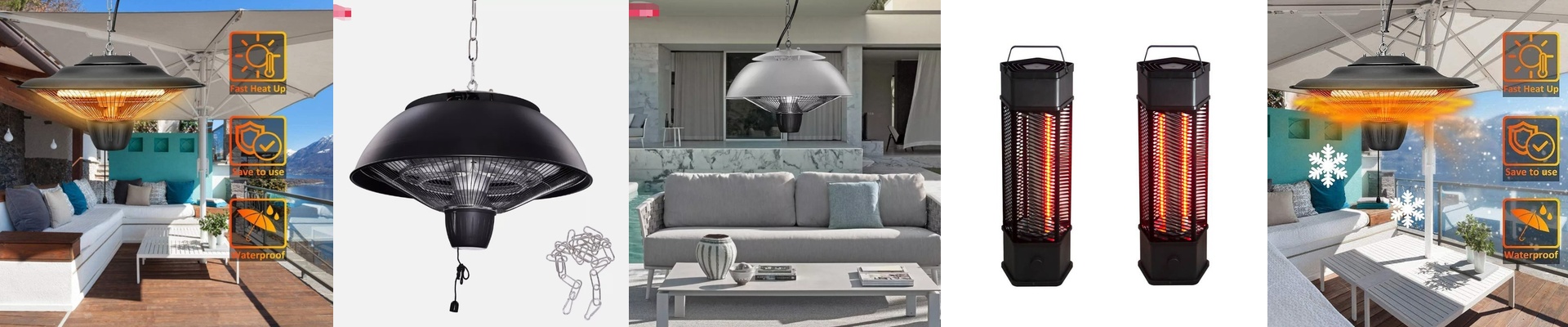
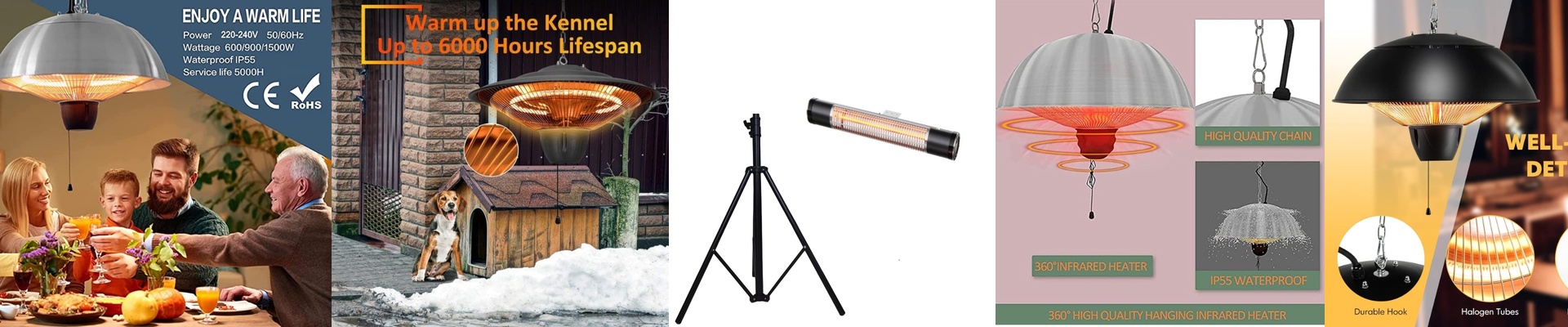
Why We Build Our Outdoor Heaters Like Lego Sets
Let’s be honest: the outdoors is brutal on electronics. Between the damp air, salt spray, and those wild temperature swings, heating elements eventually give up. It’s just a matter of time. But here’s the annoying part. Usually, when one tube burns out after a few years, you’re stuck. You either toss the whole expensive chassis in the trash or spend a miserable afternoon fighting with sealed wires and waterproof gaskets just to fix one small part. It’s a headache nobody needs.
The “Plug-and-Play” Way
We decided to do things differently. Instead of soldering the heating element directly into the power lines, we put it in a removable cartridge. Think of it as a drop-in replacement. If a tube dies, you don’t reach for the soldering iron. You just pull the old module out and slide a new one in. It’s that simple. No more wrestling with seals for hours. No complex electrical puzzles. You swap the part, flip the switch, and you’re warm again.
The Honest Trade-off
Now, look—nothing is perfect. When you add connectors instead of one solid wire, you’re technically adding more spots where things could go wrong if they aren’t seated right. We knew that. So, we used heavy-duty locking connectors and IP-rated gaskets to keep the moisture out. At the end of the day, the infrared tube is a consumable. It’s going to wear out. By keeping the “brain” and the “body” of the heater separate, you only pay to replace the part that actually wore out, not the fancy waterproof housing that’s still working perfectly.
What This Actually Means for You
If you’re managing a facility, this is a huge win for your sanity (and your budget). You don’t have to call in a master electrician every time a lamp pops. A technician can just grab the right wattage, swap the module in a few minutes, and get back to their day. Less downtime. Lower labor costs. And your outdoor spaces stay cozy without the usual maintenance nightmare.