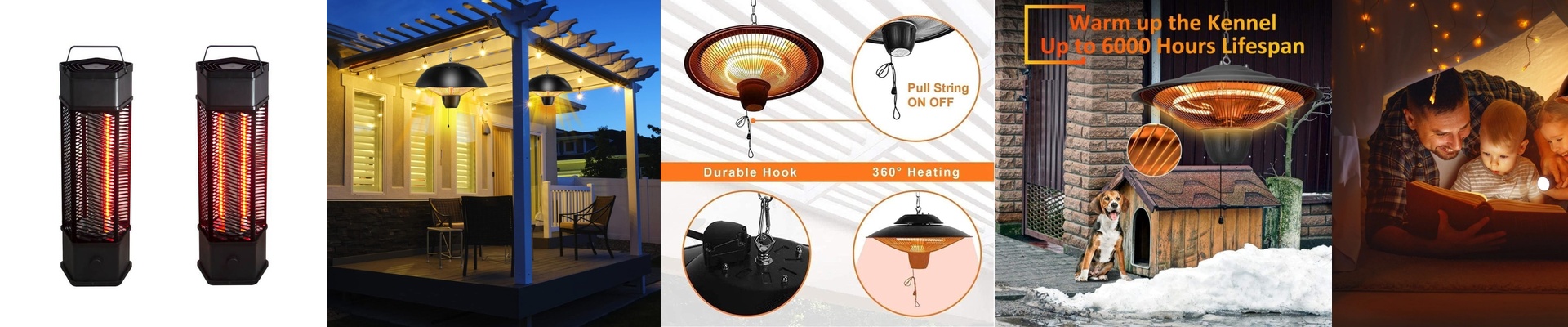
Keeping Your Pergolas Warm When the Weather Turns
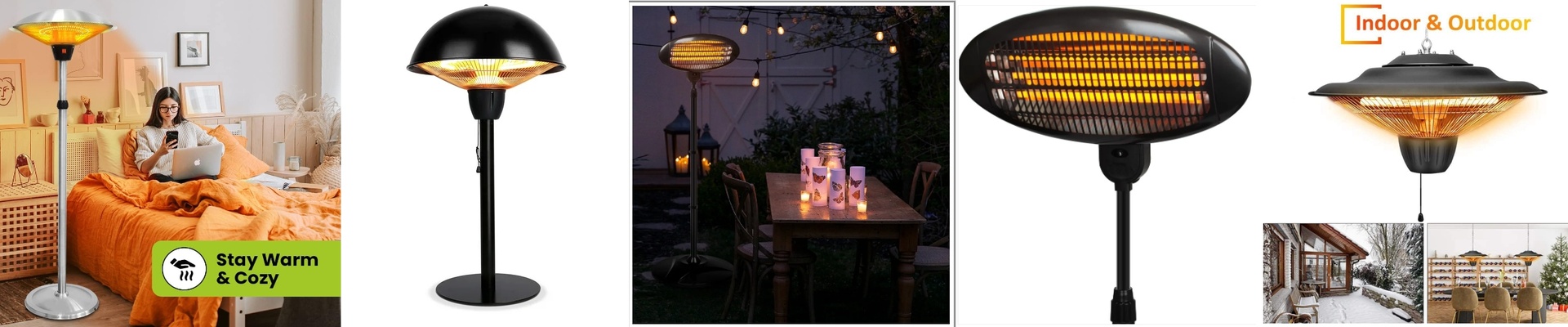
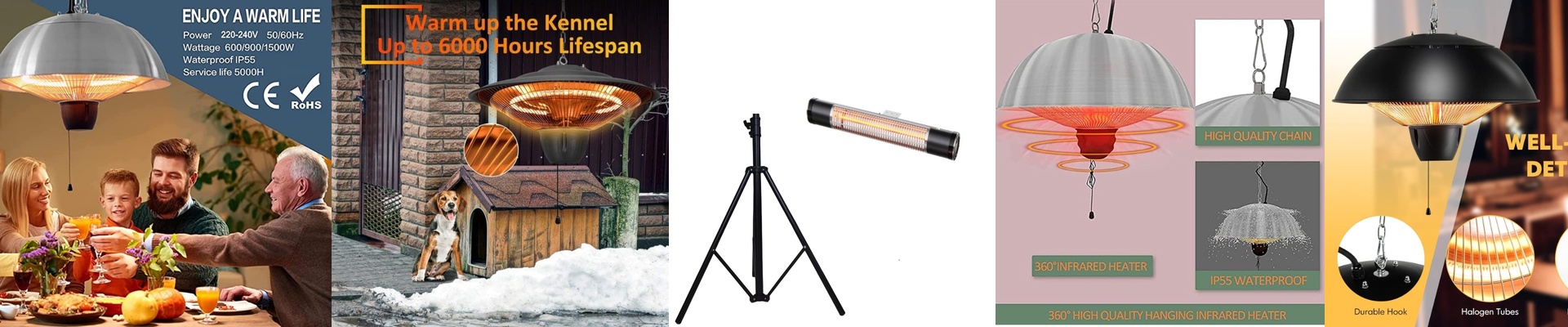
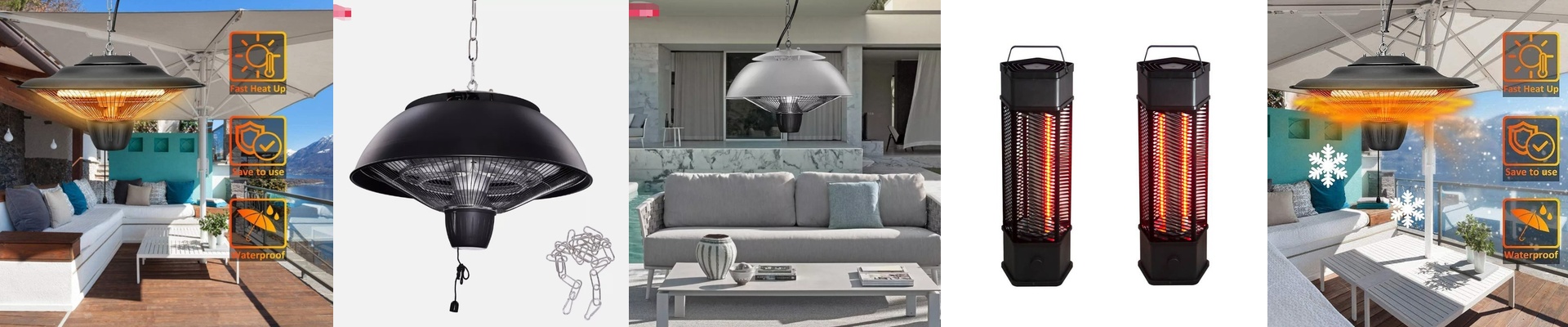
Let’s be honest: outdoor dining is a goldmine in July, but a ghost town in January. Most restaurants try to fight the winter chill with those big forced-air heaters, but they’re basically useless in a pergola. The wind just blows the heat away before it even hits the guest. That’s why we use shortwave infrared. Instead of trying to warm up the air—which is a losing battle outdoors—infrared beams heat go straight to the person and the chair. It’s like sitting in the sun on a crisp autumn day. The wind can howl through your patio all it wants; your guests will still feel that warmth on their skin. The nitty-gritty on the tech To actually make a patio usable in the dead of winter, you need a lot of power. We use high-wattage shortwave emitters because they have a much better “throw.” They can punch through humidity and wind to reach someone sitting deep in their chair. But here is a heads-up: check your electrical panel before you buy. These units pull a lot of juice. If you’re installing ten of them and your wiring is old, you’re going to trip a breaker right in the middle of a Friday night rush. Not a great look. Built for the rain and snow Pergolas are tough environments. You’ve got rain, snow, and salt air eating away at everything. We build our heaters with IP-rated housings, which is just a fancy way of saying the guts are sealed tight so moisture can’t fry the electronics. The heating elements are tucked behind quartz glass or coated to stop rust from setting in. Because we use heavy-duty alloys to keep them from falling apart, these things are heavy. Make sure your mounting brackets are reinforced, or you’ll notice the units starting to sag after a season. The bottom line for your business It’s simple: cold people leave. When a guest starts shivering, they stop ordering appetizers and they definitely don’t stay for dessert. They just want to go home. By keeping that “perceived temperature” around 22-25°C, people actually relax. They linger. They order that extra bottle of wine. Plus, it means you can keep your outdoor seats filled in November and February. You’re basically adding more tables to your restaurant without having to build an extension or rent more space.