



Making Your Home Warmer (and Smarter) with Splash-Proof Infrared Heat
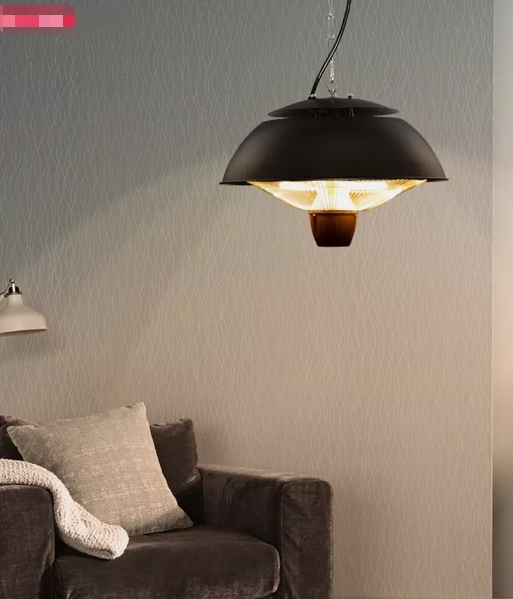
We design our infrared heaters to live in the places where things actually get messy. I’m talking about bathrooms, kitchens, or that patio you only use half the year. These units carry an IPX4 rating. In plain English? That means if some water splashes on them, they aren’t going to fry. We’ve shielded the guts of the machine so humidity and stray drops don’t cause a short circuit or kill the heater prematurely.
Heat That Actually Hits You
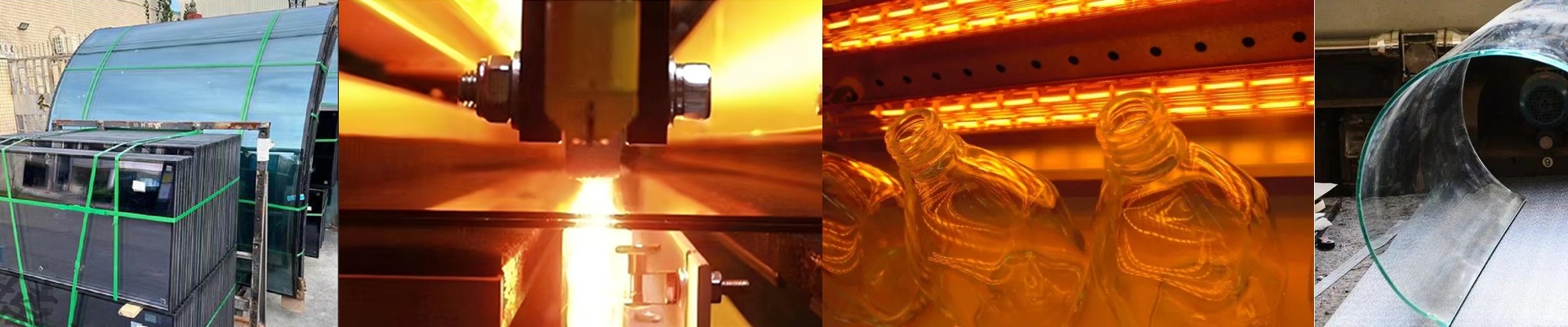
Most heaters try to warm up the air in the room, which takes forever. These are different. They use shortwave infrared radiation, which means the heat travels in a straight line. It doesn’t care about the air; it just hits you—or your towel, or your floor—directly. It’s fast. Really fast. The second you trigger the unit through your smart home hub, the tungsten filament hits its peak temperature in milliseconds. No more standing around shivering while an oil radiator slowly wakes up. You just feel the warmth instantly.
Getting It All Connected
If you want these to play nice with your smart home, you’ll just need a reliable relay or a PWM controller. We usually set ours up with Zigbee or Wi-Fi modules. The best part is setting up “scenes.” I love the idea of a “Morning” scene. You can set the heater to kick in five minutes before your alarm goes off. Walking onto a warm bathroom floor at 6 AM is a completely different experience than walking onto a freezing one. And because electronics can be moody, we built in high-grade thermal fuses. If your smart relay glitches and stays “on” when it shouldn’t, the fuse kicks in so the unit doesn’t overheat.
A Few Things to Keep in Mind
Here’s the thing: these lamps pull a lot of power. If you’re installing a few of them on one circuit, make sure your wiring can handle the peak load. You don’t want to be tripping your breakers every time you turn the heat up. Also, while these handle splashes just fine, they aren’t submarines. You can’t dunk them in water. If you’re putting one in a really steamy sauna, just give the seals a quick check every couple of years. It keeps the corrosion away from the contact points and keeps everything running smooth.