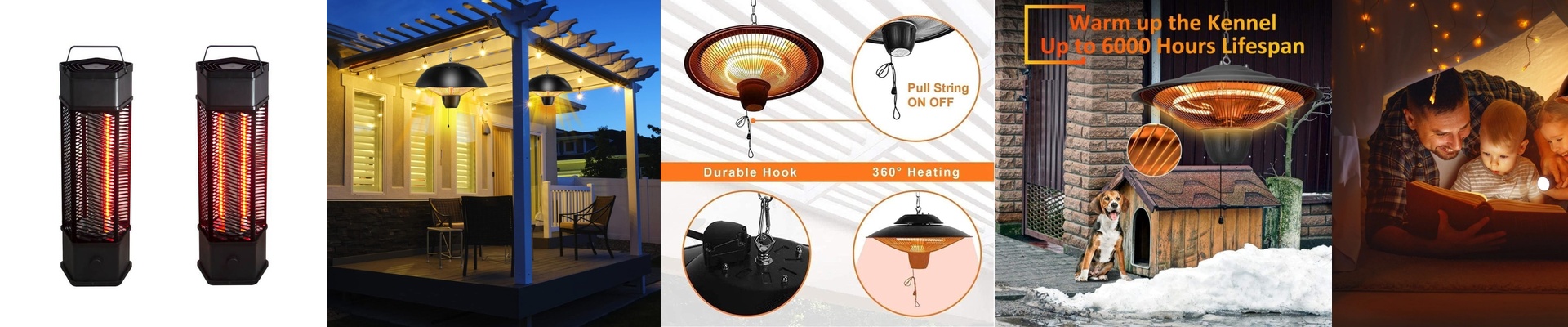
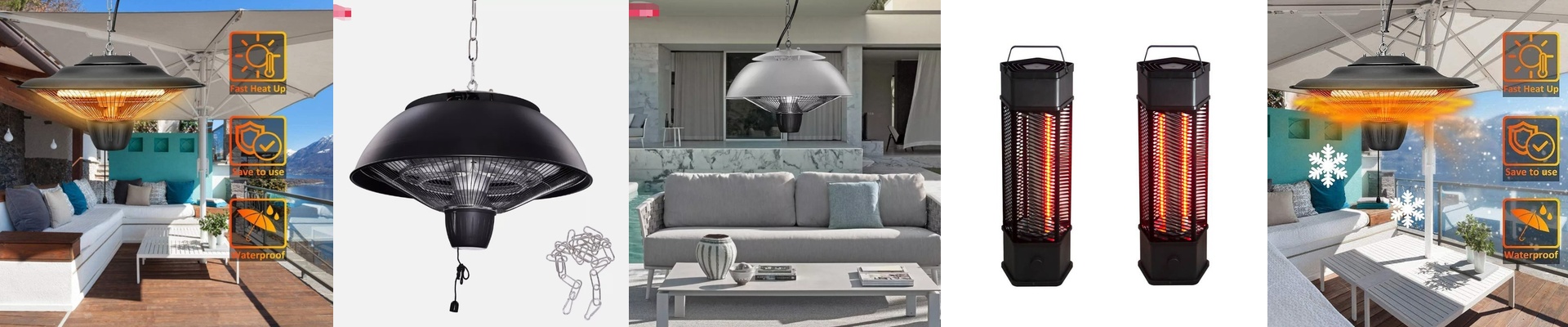
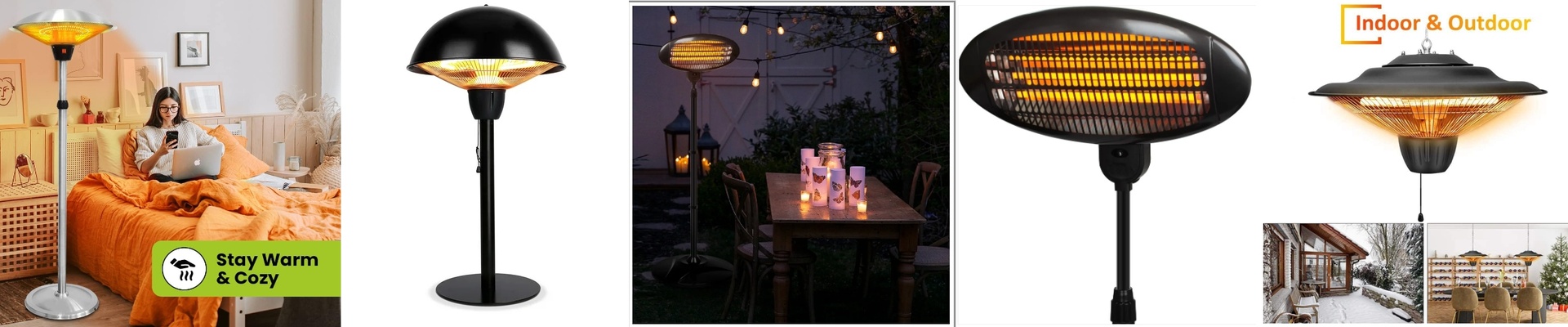
Built to Last: The Wall-Mounted Infrared Heater That Actually Holds Up Indoors
We built this wall-mounted infrared heater for the places indoors where moisture and wild temperature swings will murder a heating element in no time. The big question we were chasing? How do you keep the heat coming without watching the unit burn out. Our answer is straightforward: pair a high-output halogen heating core with a tough quartz envelope, then wrap the whole thing in a splash-proof housing that’s made for indoor life.
What It’s Really Packing (And What That Means for You)
It runs on a standard indoor power setup, so the output is steady and predictable—even when it’s working for long stretches. The tube is compact, so the footprint stays small. That means you can mount it in tight spots without having to redesign your whole space. Wattage and tube geometry are matched for short-distance, high-heat density. So it warms up fast and holds a stable surface temperature. But that also means the wiring and switchgear have to be sized correctly. If your control panel is too small, you’ll start seeing premature contact wear.
Anti-Fog and Splash-Proof: This Is How It Works in the Real World
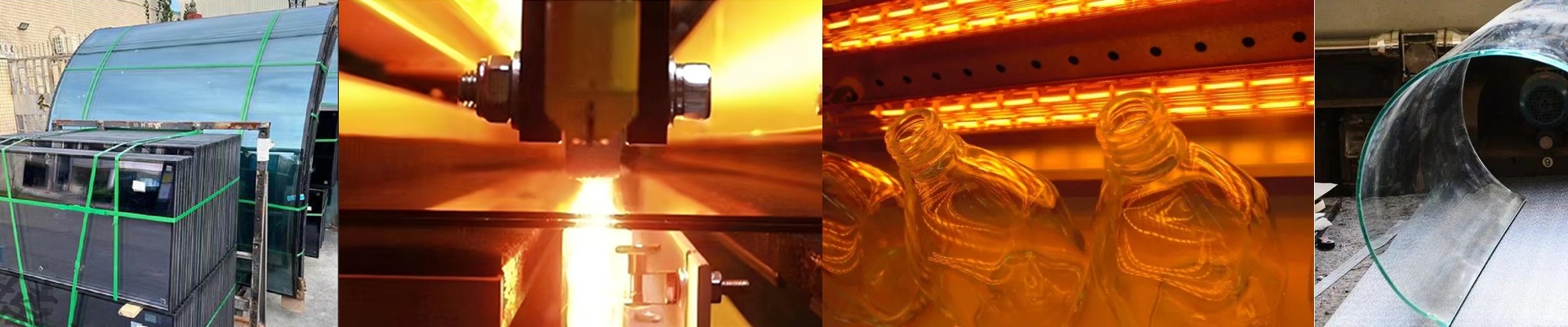
The halogen element sits inside a quartz tube chosen specifically for thermal shock resistance. We put a protective coating on the critical joints to block moisture and cut down on corrosion at the terminals. Anti-fog isn’t some fancy chemical trick—it’s mechanical. The housing vents in a way that keeps condensation from settling on the heating surface. And the front cover is sealed against splashing, so light rain or wash-down spray won’t short the circuit. Installation is clean and tool-free, thanks to an R7s-style connector. It locks in solid, and it handles thermal expansion without working itself loose. The terminal block sits behind a shield, out of the line of direct water exposure.
Where It Shines—And the Trade-offs You Should Know
This heater was made for wall mounting in workshops, warehouses, and production areas where humidity spikes fast. It throws directional infrared heat, warming objects and people instead of trying to heat the whole air. That cuts down on drafts and helps keep ambient conditions more stable. The trade-off: that high heat density is what makes it so responsive, but it also means you need proper clearance and ventilation. Mount it too close to anything combustible, and you’re asking for overheating. Keep the intake clean, and this unit will run long enough to make the upfront cost feel worth it.
The Materials and Design Behind the Calm
The halogen cycle keeps the filament stable, so output stays consistent over time. The quartz envelope shrugs off thermal shock from rapid on/off cycling. And the splash-proof housing is tough—but it’s not waterproof for outdoor use, so don’t put it on an exposed facade. For indoor duty, it can take a beating and keep going.
Why You’ll Actually Like Running This
This configuration drops right in as an upgrade for existing infrared heating points. It cuts down on downtime from fogged lenses, shorted terminals, and corroded connections. If you’re engineering the system, the payoff is predictable maintenance: fewer element replacements, fewer electrical faults, and less process drift when humidity jumps. If you need a heater that survives indoor moisture without adding unnecessary complexity, this one delivers the protection you need—plain and simple.
In Production, It Stays Out of the Way
In production settings, it delivers localized heat exactly where you need it, without overloading your HVAC system. The sealed front and protected terminals mean fewer service calls. And the anti-fog design keeps the heat path clear, so output stays steady even after sudden humidity changes. We set out to make a unit you can spec, install, and then mostly forget about—until the next scheduled check.
For the People Running Indoor Operations
For engineers running indoor operations, this wall-mounted infrared heater reduces the failure modes that sting the most: moisture getting in, thermal shock, and connector fatigue. The result is fewer unplanned stops and a heating point that holds its performance over time. Just remember: the unit runs hot, so plan your mounting distance and airflow accordingly.
The Straightforward Fix for Wet Floors and Cold Starts
We built this heater to be a practical, reliable heat source for indoor wall mounting. The anti-fog and splash-proof protection targets the core components that fail first. That means longer intervals between replacements and less worry when wash-downs happen and humidity climbs. If your plant deals with wet floors and cold starts, this is the no-drama solution that gets the job done.