
Making Your Outdoor Heaters Actually Smart
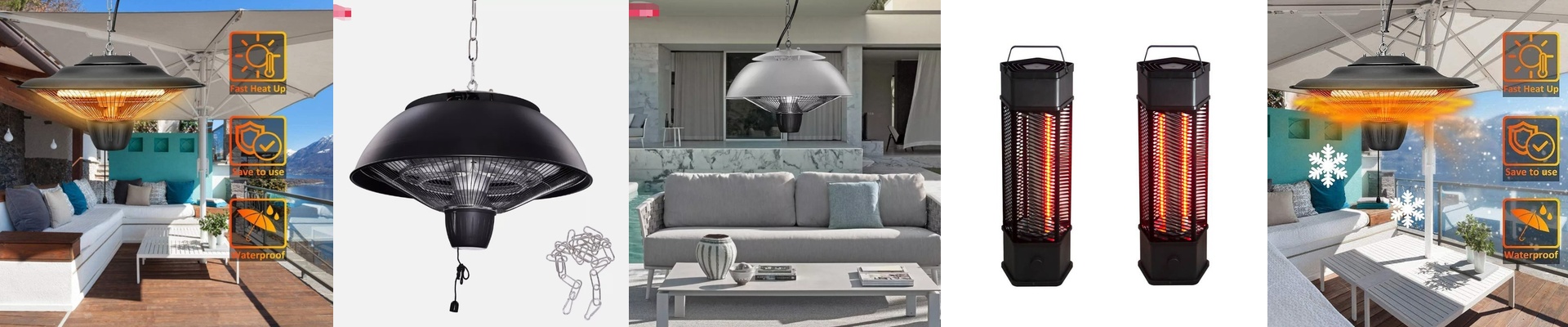
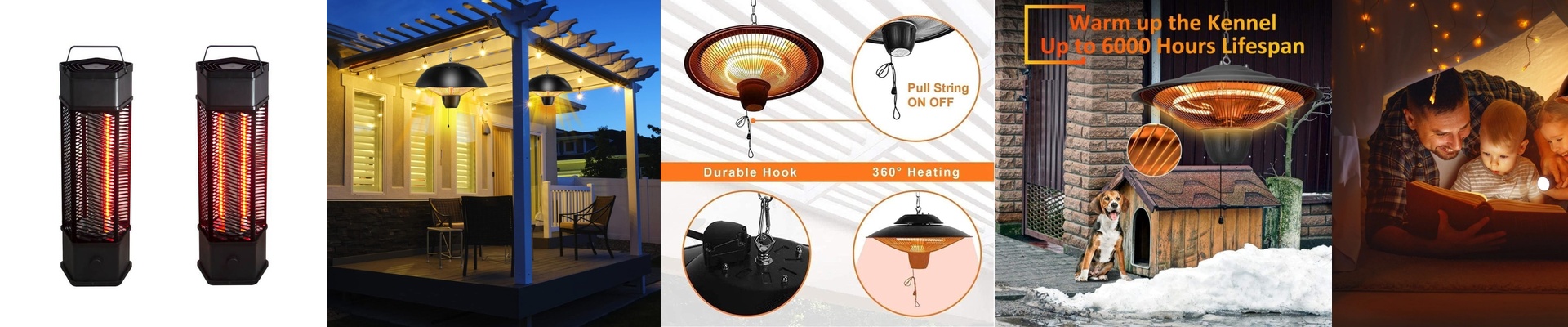
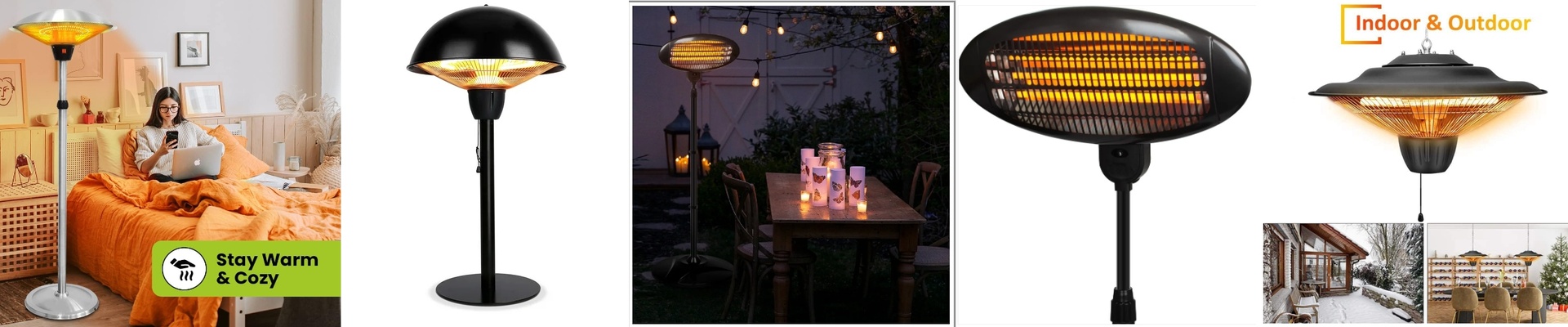
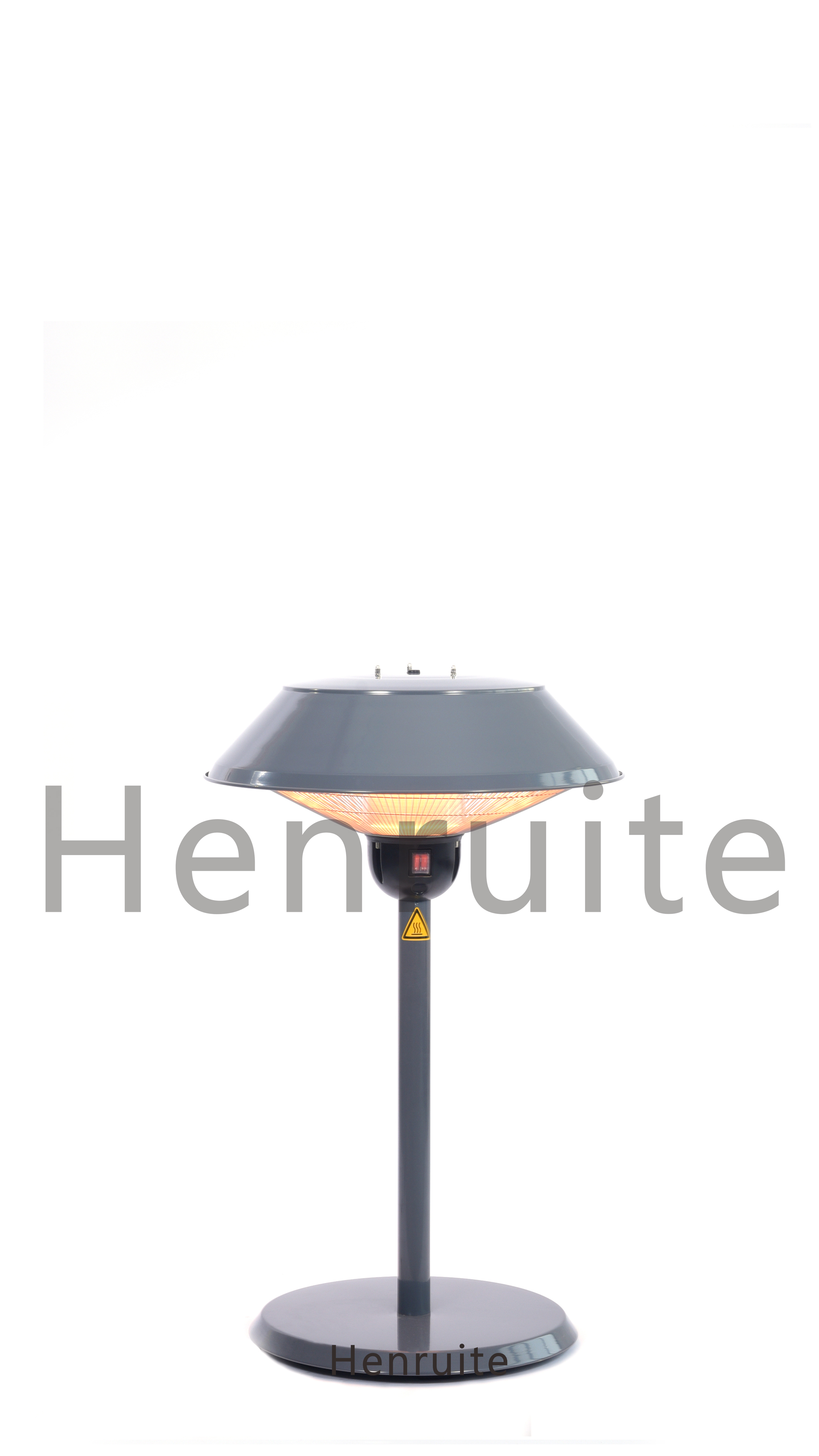
If you’ve ever tried to heat a patio, you know the struggle. Trying to warm up the actual air outside is a losing battle—the wind just carries it all away. That’s why we use infrared. Instead of fighting the breeze, these heaters beam heat directly onto you. It’s like stepping into a patch of sunlight on a cold day. But flicking a manual switch every time you step outside is a pain. That’s where the smart home stuff comes in.
The “Brain” Behind the Heat
Here is the tricky part: you can’t just plug a heavy-duty heater into a cheap smart plug. Do that, and you’ll likely end up with a melted piece of plastic and a tripped breaker. To do this right, we use something called a relay or a smart contactor. Think of it as a middleman. Your smart hub sends a tiny, low-voltage signal to the relay, and the relay does the heavy lifting of switching on the high-voltage power the heater needs. One tap on your phone, and you’re warm. And since this is outdoors, moisture is the enemy. We keep the electronics in IP65-rated boxes. If a seal leaks and water hits the board? Everything fries. Simple as that.
Heat, Right Now
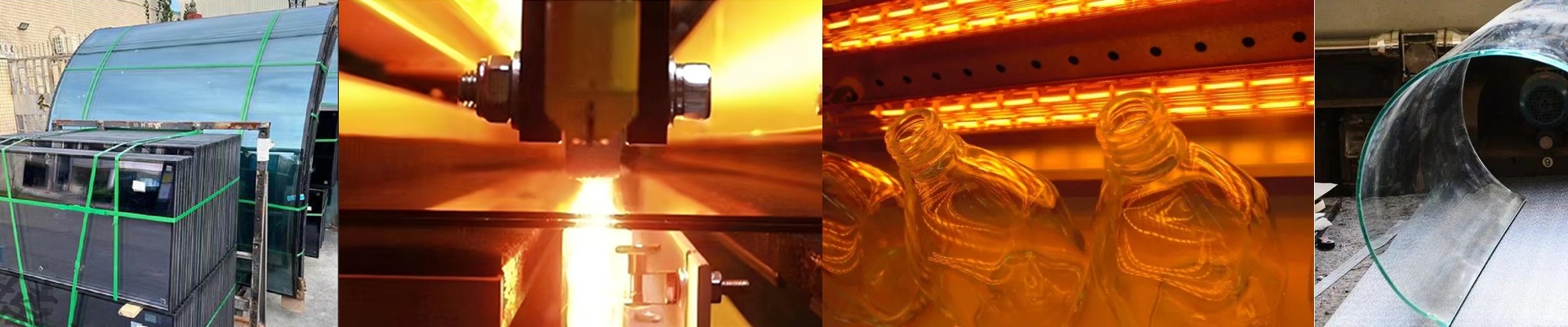
The best thing about infrared is that there’s no “warm-up” period. There’s no waiting for a coil to glow or air to circulate. The second that relay clicks, you feel the heat. It’s instant. Plus, you can add occupancy sensors. This means the heater only kicks in when it actually senses someone standing there. It’s a great way to keep your electric bill from skyrocketing.
A Few Things to Watch Out For
Adding smart tech adds a bit of a headache to the wiring. You’ll need a dedicated circuit and the right gear to handle the wattage. Also, a pro tip: keep your smart hub and sensors away from the heater itself. Even if the heater is waterproof, the heat it puts out can bake your sensors if they’re too close. Give your tech some breathing room so it doesn’t overheat and glitch out.