Fixing Those Pesky Cold Spots in Glass Annealing
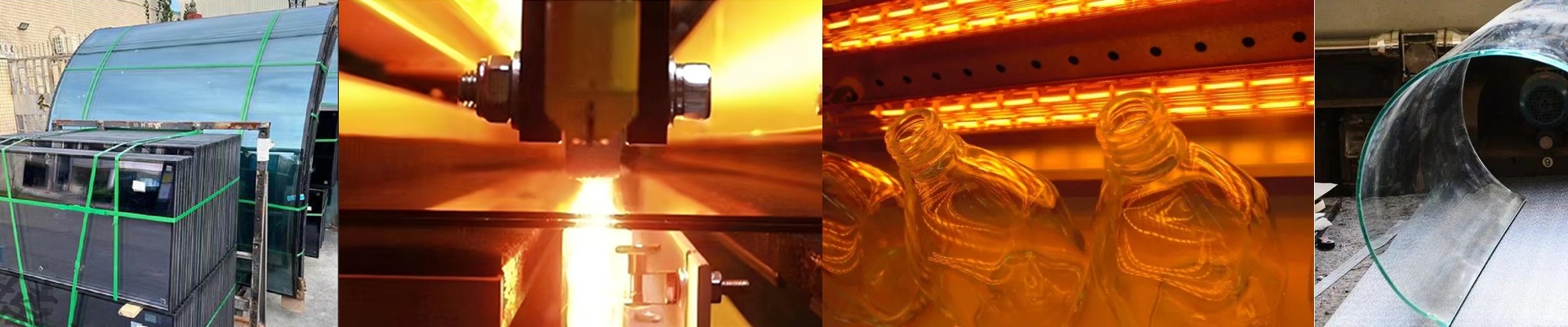
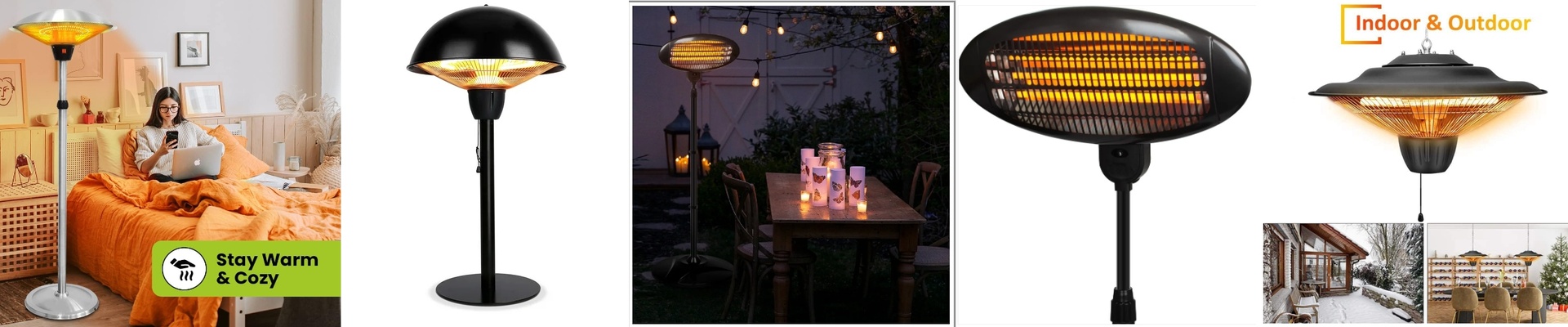
If you’ve ever worked with glassware that has weird shapes—think narrow necks or those wide, flared rims—you know the headache of “dead zones.” You put your piece in the kiln, everything looks fine, but those recessed areas just don’t get the heat they need. The result? Uneven stress, a sudden crack, and a lot of wasted time. We deal with this by using long-life infrared (IR) heating tubes. Instead of relying on the air to move the heat around, these tubes shoot radiant energy straight at the glass. It basically ignores the air gap and hits the surface directly.
Getting the Heat Right
The trick is getting a lot of heat into a small space without blowing out the filament. We use high-grade quartz envelopes for our tubes because they let the IR light pass through without getting blocked. Depending on your setup, we can tweak the wattage and the length of the tubes to create a wrap-around array. This means the “shadow areas” of a beaker or flask get the same amount of heat as the parts that are easy to reach. No more guessing.
The Nitty-Gritty on the Hardware
We went with a halogen-filled quartz design. Here is why that matters: the halogen cycle actually puts evaporated tungsten back onto the filament. It stops the wire from thinning out, which is usually why these things burn out early. You can plug these right into your current controllers using standard industrial connectors. Just a heads-up: these things ramp up heat fast. Because the surface temperature gets so high, you’ll want to double-check your kiln’s insulation so the outer casing doesn’t get too hot to touch.
Making it Work on the Floor
Once these are in, those cold spots that cause glass to snap during cooling basically disappear. They’re a great swap for those old, bulky resistive elements, and they take up way less room. But here is the most important part:IR heating is all about line-of-sight. If the tube can’t “see” the glass, it won’t heat it. Simple as that. To make sure you’re covering every angle of a non-linear shape, we usually suggest staggering the tubes. It’s the best way to make sure no part of the glass is left in the dark.