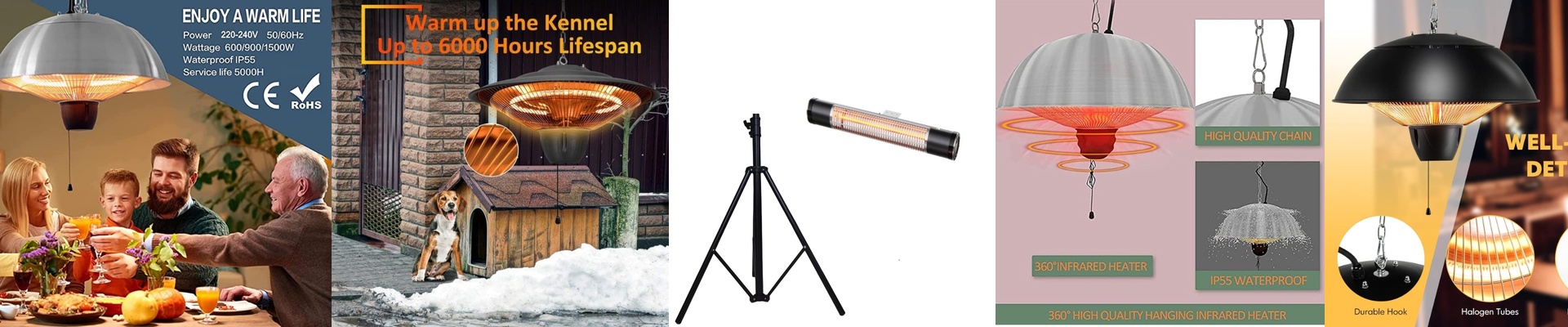
Watch the energy meters climb the minute the furnaces kick on. On the shop floor, tempering and lamination need heat that’s fast and steady. Convection-heavy systems burn a lot of watts heating air instead of the glass. That drags out cycle time, drives up thermal stress, and makes every square meter more expensive.
What actually matters under the hood
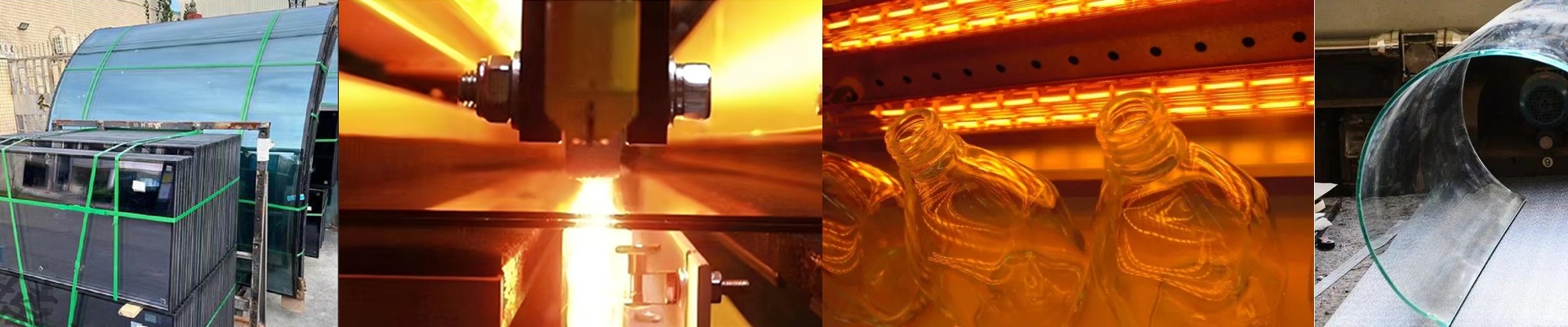
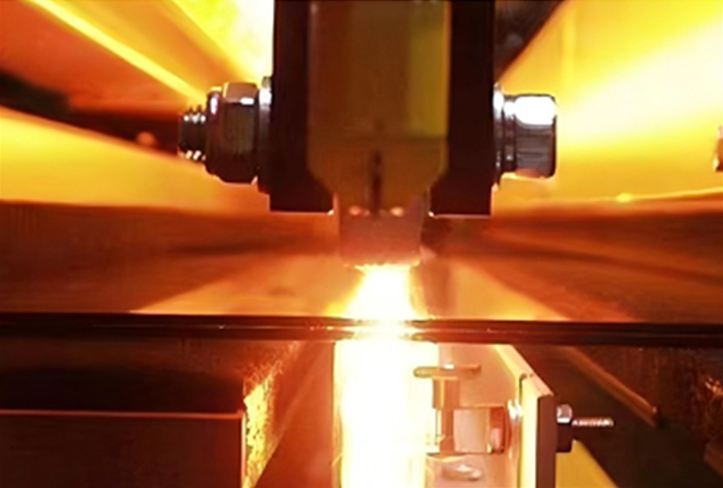
Medium wave infrared heater lamps put the energy straight into the glass surface—radiation, not air. The medium wave band lines up with how glass and coatings absorb, so heat gets in quickly and evenly. Quartz envelopes with high-emissivity elements give you tight thermal control, fast response, and consistent output across the whole heating zone. In practice, you get a rapid ramp-up, a stable dwell, and profiles that repeat from batch to batch.
Why this fits our processes
In tempering, the quench has to follow a precise thermal history. Medium wave IR brings the surface up fast, then the quench locks in the stress profile without overshoot. In EVA/SGP/PVB lamination, uniform heat across the stack keeps bubbles, edge dry-out, and optical distortion from sneaking in. Fewer rejects, higher yield, shorter cycles. Energy use drops because you stop heating empty space—the lamps go where the work is. We’ve seen lines cut heating energy per cycle by 20–30% while keeping throughput the same.
Here are the practical details that bite you if you ignore them
Installation is straightforward, but alignment is not optional. The lamp array has to be parallel to the glass path, and the reflectors need to stay clean so uniformity doesn’t drift. These lamps run hot at the surface, so shielding and interlocks are mandatory. They’ll bolt into standard mounts and electrical interfaces for a retrofit, but confirm your line’s clearances and power distribution before you swap out the old heaters.