

Getting to the Heart of the Heat: Power, Voltage, and Size
Let’s talk about what makes these gold tube infrared heaters really tick. We designed them to pack a serious punch into a small space. They run on 400V, which means they draw a lot of current. And that translates into one thing: speed. We’re talking about heat-up times that feel almost instant. The 300mm tube keeps all that energy focused on a tight spot, so you’re not wasting a single watt. It just makes sense, especially when you’re working inside a tight machine cell.
The Inside Story: How It’s Built
Take a look at the quartz tube. It’s coated with a gold layer that does something pretty clever. It reflects the infrared energy forward, boosting the output right where you need it. It also helps shield nearby parts from getting blasted by radiant heat. Inside, a halogen fill keeps the output steady and the color temperature consistent over the life of the lamp. And for the connection, we went with the R7s two-pin design. It’s a classic for a reason—it just snaps right into standard fixtures. No fuss, no rewiring.
Where This Shines (And What to Watch For)
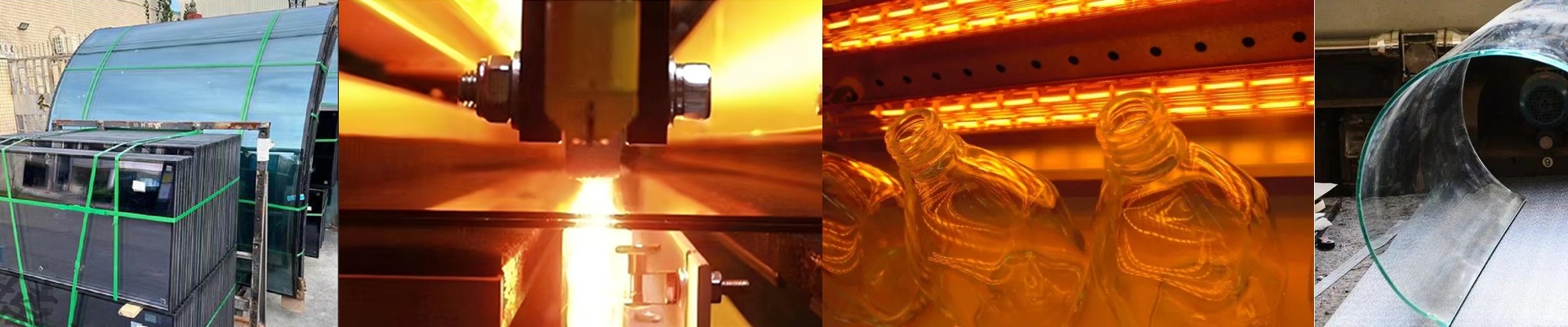
These heaters are built for the real world—the kind of industrial work where you need heat, fast, and exactly where you want it. Think PET preform heating, plastic welding, or curing. The high power density gets parts hot in a hurry. That’s the upside. But here’s the thing: with that kind of power, you have to manage the heat. Make sure your machine’s cooling and shielding are up to the task. You’ve got to be ready for that ambient temperature rise. Plan for it, and you’re golden.