

Why Shortwave IR is the way to go for in-line glass annealing
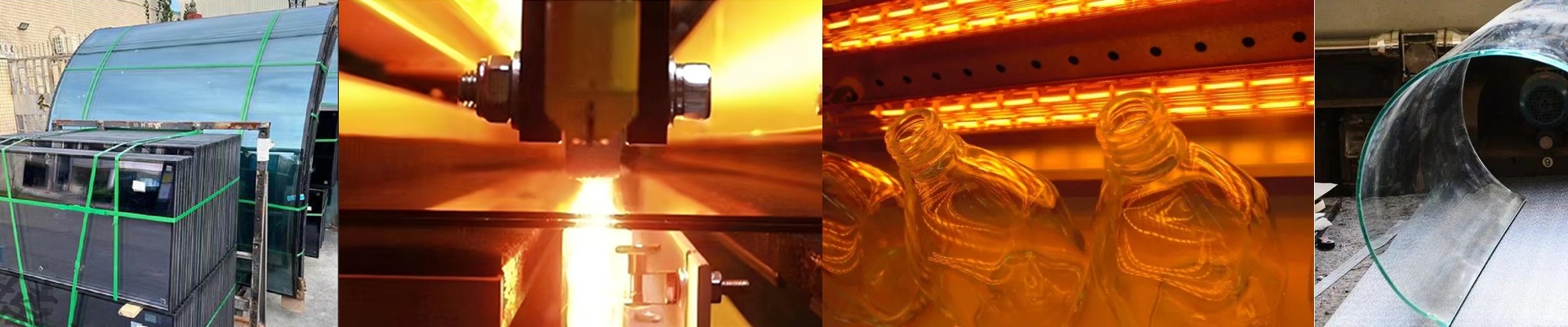
If you’re making glass jewelry, you know the drill. You have to get that temperature drop exactly right to get rid of internal stress, or you’re looking at cracked pieces. The problem is that traditional ovens are a bottleneck. You basically have to stop your entire line to make it work. That’s a killer for productivity. You need something that hits the target temp the second it’s needed and kills the heat just as fast. That’s where shortwave infrared (IR) lamps come in. The magic of fast heat Think of it this way: convection heating is slow because it has to warm up the air first. IR doesn’t bother with the air. It just beams energy straight into the glass. We use high-wattage quartz halogen elements because they’re practically instant. You can set up an annealing tunnel where your jewelry just glides along a conveyor, getting exactly the “dose” of heat it needs. No waiting around for a ceramic element to warm up. It’s fast. Really fast. And that changes everything for your workflow. The gear you’ll actually use In most of our setups, we lean on high-voltage tubes with R7s or SK15 connectors. We go for high power density here. The more power you can pack into one tube, the smaller your heating zone can be. Which means your conveyor line doesn’t have to stretch across the whole shop. One little trick we use is coated quartz. It shifts the emission spectrum so the heat actually sinks into the jewelry instead of just bouncing off the surface. Just a heads-up: make sure your power supply matches the lamp voltage. If you don’t, you’ll burn through your filaments way too quickly. The trade-off (because there’s always one) Here’s the thing: shortwave IR puts out a massive amount of heat. It’s great for keeping production moving, but it’s a lot for your cooling system to handle. If you skimp on the ventilation in your tunnel, the ambient heat will just build up. Before you know it, you’ve got warped conveyor tracks or melted lamp sockets. You’ve got to find that sweet spot between the lamp’s output and a good, steady airflow to keep the whole machine from cooking itself.